Category: Uncategorized

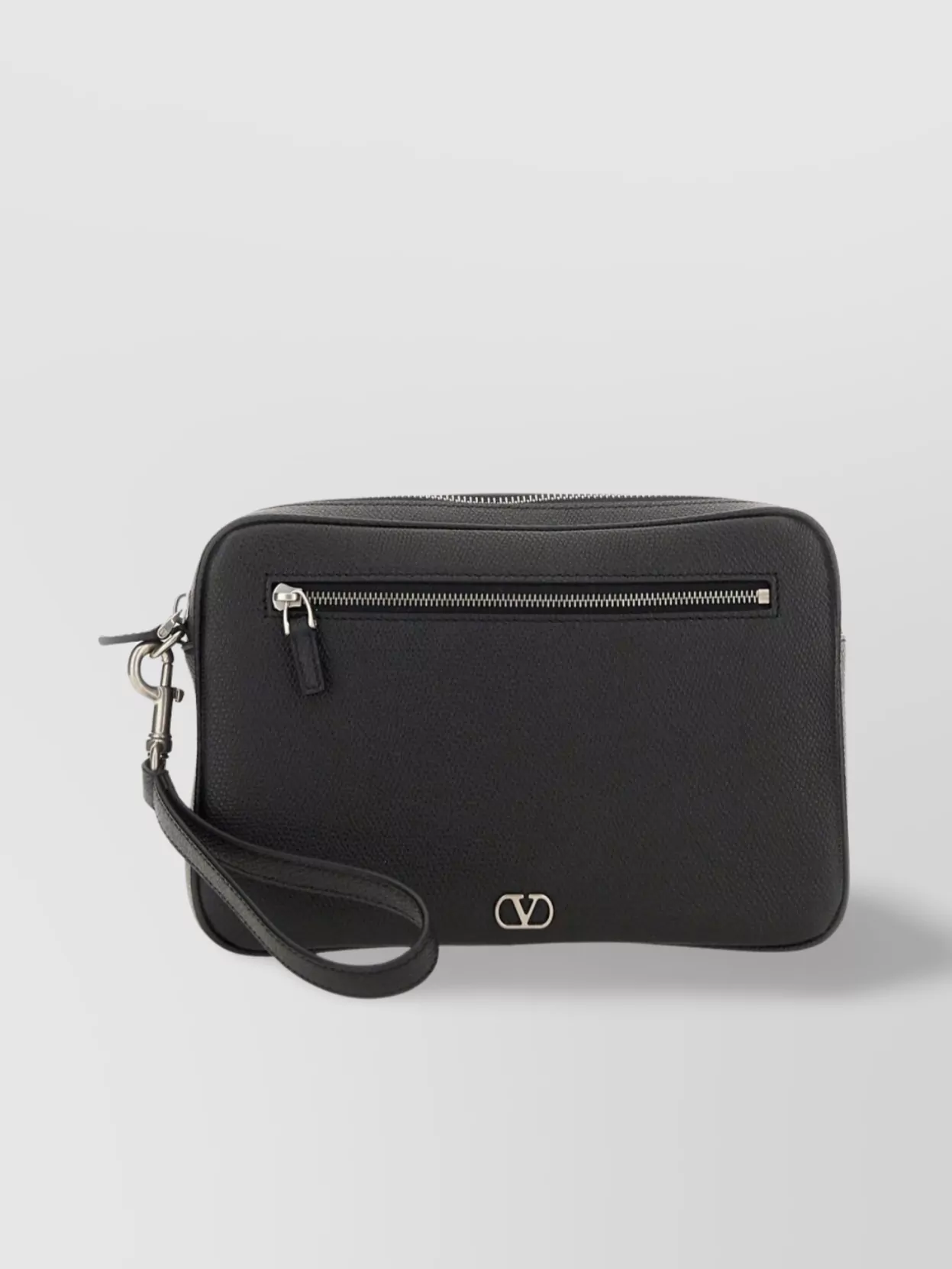
  • Roman Valentino Purses Valentino Mini Bag

    Your Valentino Bag Says Garavani, and Here Is Why

    Flip the tag of a Valentino bag into view and it carries two words where you may have expected one: VALENTINO and GARAVANI, in capitals, above MADE IN ITALY. That second word is usually read as a flourish, a founder’s signature added for prestige, or a sign of some particular sub-line. It is not any of those things. The reason GARAVANI is on the bag is a contract signed in 1979 that requires it, and the same requirement puts the word throughout the advertising for the house’s leather goods. Understanding the reason turns a piece of trivia into the single most useful check a buyer can make. This piece explains where the word comes from, what it guarantees, and what it does not.

    The one-sentence answer

    Overlapping rights to the word Valentino on handbags in the United States belong to another company, and the Roman couture house agreed decades ago to add its founder’s surname to stay distinguishable. Mario Valentino S.p.A. is that other company, founded in Naples in 1952, a leather goods and footwear business with no connection to the couture house founded in Rome in 1960. The American trademark Valentino for handbags and leather goods has been held by Mario Valentino since 26 April 1971 on the company’s account, with that senior-rights position corroborated in legal reporting. In 1979 a coexistence agreement divided the marks between the two businesses; among its terms is one obliging Valentino S.p.A. to use GARAVANI alongside VALENTINO on leather goods and in the advertising for them. So the word on your bag is a legal obligation carried out in stamped capitals. All the rest is detail attached to that one fact.
    The man the surname belongs to

    Valentino Garavani founded the house in Rome in 1960 together with Giancarlo Giammetti, opening the first atelier on Via Condotti. Close to five decades of designing under his white valentino mini bag own name ended with his retirement from design in 2007 and a final couture collection in January 2008. The company had already been sold in 1998, so by the time he stepped back he no longer owned the business carrying his name. He died on 19 January 2026, aged 93. He designed none of the bags in the current collection, and nothing made in the past two decades either. The surname on the tag records who started the house, and says nothing about who works there now.

    The 1979 agreement, and the case that tested it

    Their overlap was settled privately rather than through a court, and the coexistence agreement the two companies signed in 1979 is still the governing document. Both directions are covered: each business gets a defined set of permissions and a defined set of limits. Decades later the arrangement was tested in an American court, when Valentino S.p.A. filed suit against Mario Valentino in July 2019 in the Central District of California, docketed 2:19-cv-6306, alleging false advertising, unfair competition and breach of the coexistence agreement. The counterclaims from Mario Valentino were dismissed in April 2021, and settlement followed with a dismissal without prejudice on 14 June 2024, terms never disclosed. Because it ended without prejudice, either side may bring the matter back, and reporting indicates that further proceedings, including arbitrations, remained live in Italy. Neither company had wrongdoing established against it, and none is suggested here; this is a trademark boundary between two legitimate businesses.

    What the Naples company can do

    The agreement permits Mario Valentino to trade under several forms of the name. On the exterior of its products it may use Mario Valentino, M. Valentino, Valentino, MV or V. The condition attached is that the full name Mario Valentino must appear inside the item and on its packaging, so the maker stays identifiable to anyone who opens the bag. What it may not do is combine V and Valentino together on leather goods. Its products are genuine goods from a genuine Italian house, sold at a different price point and through different channels than the couture house uses. Claims the company makes about inventing the stiletto heel and the women’s moccasin are self-description rather than independently verified history, and are best treated that way.

    What the Roman house has to do

    The reverse obligation is narrower and a great deal more visible. Valentino S.p.A. presents the mark as VALENTINO GARAVANI rather than VALENTINO alone on leather goods and in advertising for leather goods. It is the reason the accessories line is named as it is, the reason the interior tag carries both words, and the reason the house’s own product pages for bags use the longer form consistently. Not every category is reached identically by the requirement, which is why ready-to-wear can be presented as Valentino or Maison Valentino. The effect on a buyer is simple: the longer name on a bag is the expected, compliant form, and its absence on something sold as couture-house merchandise deserves a second look. The rule is boring, contractual and enormously useful.

    One house with two names

    People commonly misread Valentino Garavani as a sub-brand, a diffusion line or a lower tier within the same company. It is not. Valentino Garavani is the naming convention used for accessories, while Valentino and Maison Valentino are used for ready-to-wear, and all of it comes from one company applying one set of standards. The same house makes a Rockstud crossbody bag and a couture gown alike; what differs is only the wording on the label, for the contractual reason set out above. Pierpaolo Piccioli has handed creative direction to Alessandro Michele, who has led the house since 2024 on the most recent confirmable reporting. Ownership sits with Mayhoola for Investments at seventy per cent and Kering at thirty per cent, that stake acquired in July 2023 with a stated intention to take full ownership by 2028. Accessories carrying the longer name were observed in 2026 at market prices running from about $650 for a VLogo Signature clutch to $7,900 for an embroidered Panthea, all made in Italy, while Rebag’s data puts average resale retention for the house near 41 per cent, with hero styles between 50 and 58 per cent.

    What the word guarantees and what it does not

    What GARAVANI on a tag tells you is which company made the bag. It is not by itself proof of authenticity, as counterfeiters copy tags just as readily as they copy studs. The checks that matter are physical: capitals in a consistent font weight, evenly pressed stamping without smudging, a tag sewn down on all four sides, engraved rather than printed hardware logos, square zip pulls with rounded edges and deep engraving, uniform pyramid studs at even spacing, and stitching of consistent density. On most bags a serial number sits on a tag inside an interior pocket, often black, cream or light brown, but not on all of them, older pieces frequently lack one, and a missing serial proves nothing by itself. There is no date-code system on these bags at all, and any guide claiming to decode a production date from the digits is inventing it. Authenticity cards are reported to list the model specification, the serial and Made in Italy, the serial matching the interior tag; that account comes from resale and authentication practice rather than an official brand statement, and pre-owned bags frequently arrive without one.

    What you are looking at What it actually means
    An interior tag reading VALENTINO and GARAVANI Made by the Roman couture house, exactly as its 1979 obligation requires
    Valentino on the exterior, Mario Valentino inside or on the packaging A real bag from the separate Naples company
    No serial number anywhere on the interior tag Seen on older pieces, and not proof of a fake on its own
    A so-called date code No such system exists for these bags
    No authenticity card supplied with a pre-owned bag Common, since cards are often lost or never passed on

    Reading the listing before you buy

    Mistakes usually live in the description rather than in the bag. A resale listing headed simply Valentino bag says nothing about which company made it, and sellers abbreviate constantly, sometimes without realising there is anything to abbreviate. Before agreeing a price, ask for a clear photograph of the interior tag, and believe what the tag says rather than what the title says. If you are shopping new, buy from the house’s own boutiques and webstore or from named authorised retailers such as Neiman Marcus, Bergdorf Goodman, Saks Fifth Avenue, Nordstrom, Mytheresa, Farfetch, Selfridges or Harrods, where the question never arises. Expect Valentino by Mario Valentino when you are browsing a Valentino bag sale at an American off-price chain, because that is what those chains’ own brand filters list. One word on a tag settles all of it, which is exactly why it is worth knowing how the word got there.

  • Free hookup sites & ghosting: what it really means

    Ghosting on hookup sites: how to read the silence without chasing

    On free hookup sites, you can get a lot of messages quickly—then one day the chat just stops. It’s tempting to assume you said something wrong or that the other person “lost interest” in a way that’s personal. But silence in casual dating often reflects timing, logistics, and mismatched expectations rather than a verdict on your value. If you’ve ever stared at an unanswered thread, this is for you—especially when you’re comparing your pace to theirs. hookup sites free can make this pattern feel extra common because the barrier to contact is low.

    Why people ghost when they’re looking for something casual

    Ghosting isn’t always a dramatic rejection; it can be a low-effort way to avoid awkwardness. In hookup contexts, plans are often fluid: someone might be talking to multiple people, have a late-night window, or decide at the last minute that they don’t want to meet. When the conversation is transactional (“Are you free tonight?” “What’s your vibe?”), it’s easier to drop off than to close the loop politely. Some people also confuse “no longer interested” with “no longer obligated,” especially if they believe the match was never meant to become a conversation. And when an app encourages quick starts, the gap between “we chatted” and “we met” can be big—so the person who moves on may not feel compelled to explain.

    Another factor: different communication norms. Some adults treat messaging as scheduling; others treat it as relationship-building. If you’re the scheduling type and they’re the slower type, you can both misread each other—then silence becomes the default.

    How to respond: three better moves than double-texting

    The goal isn’t to interrogate them; it’s to protect your time and get clarity. First, wait a reasonable window before sending anything. In casual dating, people may respond later because they’re busy, not because they’re rejecting you instantly. Second, send one short, low-pressure message that offers an easy exit for both of you. For example: “Hey—are you still up for meeting this week, or should we leave it here?” That wording reduces the chance they’ll feel cornered, which can actually increase the odds of a reply.

    Third, decide in advance what counts as “enough.” If they don’t respond after your one follow-up, treat it as a signal. You don’t need to be harsh; just stop investing. Ghosting thrives on uncertainty, and uncertainty is what keeps you checking your phone. If you want casual connection, you can be direct and still be kind.

    When silence is a mismatch, not a personal failure

    It helps to reframe ghosting as “we don’t align” rather than “you weren’t good enough.” In hookup culture, alignment can be practical: timing, distance, energy level, or whether someone actually wants to move from chat to body language. If your messages are more flirtatious and they’re more schedule-first, the conversation can stall. If you’re ready to meet quickly and they’re only browsing, you’ll feel strung along. If you’re looking for ongoing casual contact and they’re looking for a one-night moment, the same person can respond enthusiastically at first and then vanish when it’s time to commit to a plan.

    So if you’re tempted to chase, ask yourself: “What would a reply need to look like for this to work for me?” If the answer is “anything but silence,” you’re already doing extra emotional labor. Better to redirect that energy to people who can meet your communication rhythm—without turning every unanswered message into a mystery you have to solve.

  • Coolbet Game Catalog And Lobby Experience Concise Assessment

    Coolbet: Catálogo De Juegos Y Lobby Pensado Para Encontrar Rápido

    En Coolbet, lo que más marca la experiencia diaria no es solo “qué juegos hay”, sino cómo se encuentran. El lobby organiza la oferta para que pases de una idea a una partida en pocos clics, con filtros claros y una navegación que se mantiene consistente tanto en navegador como en app. Si te gusta alternar entre tragaperras, mesas y casino en vivo, el catálogo funciona como un centro de control, no como un laberinto.

    Cómo Coolbet Estructura El Catálogo Para Jugar Sin Roce

    El catálogo de Coolbet se presenta por categorías comprensibles y con una lógica de descubrimiento progresivo. Al entrar, la pantalla principal prioriza colecciones populares y rutas rápidas hacia slots, ruleta, blackjack y opciones de casino en vivo. En vez de obligarte a buscar por capricho, la plataforma te guía con secciones que reducen el tiempo entre “quiero jugar” y “estoy en juego”. Además, la interfaz mantiene la misma estructura en el sitio y en la app, lo que ayuda si alternas aparatos.

    En el móvil, la navegación se siente especialmente directa. Si prefieres jugar desde la app, puedes acceder desde app para conservar el mismo estilo de lobby y llegar con menos pasos a los juegos que ya te interesan. El objetivo es que el catálogo sea utilizable incluso cuando solo tienes unos minutos, sin perderte en menús largos.

    La búsqueda y los filtros están pensados para afinar rápido: puedes acotar por tipo de juego y, según la sección, por proveedores o características relevantes. Esto es útil si ya tienes un estudio de estilo (por ejemplo, slots con mecánicas específicas) o si quieres volver a un proveedor en particular. El lobby convierte tu historial de preferencias en una ruta más corta hacia la próxima sesión.

    Descubrir Tragaperras, Mesas Y Casino En Vivo En Coolbet

    Slots: filtros que ayudan cuando ya tienes un estilo

    Cuando entras en la sección de tragaperras, Coolbet facilita la elección mostrando mosaicos claros y agrupaciones por popularidad y temáticas. Si te interesan ciertos RTP o volatilidades, el lobby te permite orientar la búsqueda sin convertir la experiencia en una hoja de especificaciones. Lo práctico es que puedes alternar entre juegos “listos para jugar” y otros más específicos, manteniendo el flujo sin interrupciones.

    Mesas: atajos para ruleta y blackjack sin perder control

    En mesas, el lobby apuesta por una selección que prioriza la claridad. Los accesos suelen estar ordenados para que identifiques rápido el tipo de mesa y el formato. Si tu prioridad es elegir una mesa con ritmo más estable (por ejemplo, ruleta o blackjack), la navegación te permite comparar opciones con menos esfuerzo. Así reduces el tiempo de decisión y aumentas el tiempo de juego, especialmente cuando buscas consistencia en la sesión.

    Casino en Vivo: cómo el lobby te lleva al “momento”

    El casino en vivo se integra con una presentación que busca que el salto desde el catálogo sea inmediato. En lugar de hacerte revisar un listado interminable, Coolbet muestra accesos directos a salas y juegos en vivo destacados. Para jugadores que alternan entre tragaperras y vivo, esto es clave: el lobby mantiene la continuidad del recorrido y evita que el cambio se sienta como empezar de cero.

    Para Qué Tipo De Jugador Encaja Mejor Coolbet

    Coolbet encaja especialmente bien si valoras un lobby ágil y un catálogo que responda a decisiones rápidas: probar un nuevo proveedor, volver a una mesa concreta o alternar entre tragaperras y vivo sin frenar. También es una buena opción para quien juega desde móvil con frecuencia, porque la estructura del catálogo se mantiene coherente y no exige “reaprender” cada pantalla. Si tu estilo es comparar muchas opciones con calma, el sistema de filtros ayuda, pero el verdadero punto fuerte es la fluidez.

    Veredicto: Coolbet Como Opción De Catálogo, No Solo De Juegos

    Coolbet destaca por cómo presenta su catálogo: ordena, filtra y conecta slots, mesas y casino en vivo con una experiencia pensada para llegar rápido a la partida. Si buscas un lobby que reduzca fricción y te permita alternar sin perder tiempo, es una elección sólida. Si prefieres investigaciones largas o una navegación muy detallada, quizá quieras complementar con tu propia lista de favoritos.

  • Righteous Streetwear Authenticity Tips Wash and Care Guide

    The Right Way to Build Layers With Righteous Apparel for Colder Weather

    Looking good doesn’t stop just because the temperature drops, and that surely doesn’t mean hauling out the same shapeless coat you’ve leaned on for five winters straight. Layering is a craft, and once you understand how material weight, cut, and how something fits combine, you can construct ensembles that read as purposeful, not haphazard. Here we break down hands-on layering tactics using Righteous clothing, with attention to what genuinely provides warmth versus what merely seems cozy. Should you be looking for a thorough review of Righteous before committing to a layered closet, consider this a practical rundown of how the items function in real conditions, not just on a hanger.

    Effective layering hinges on temperature regulation, not just piling on fabric. Several lighter layers almost always outperform one bulky layer because they trap pockets of air that your body heat warms up. This is elementary heat science, and it’s why climbers and urban dwellers alike depend on the same three-stage method: a base layer, a mid layer, and an outer layer. We Are Righteous builds pieces that fall into each of these categories, which simplifies things to combine and coordinate without guessing what goes with what.

    Start With the Base Layer

    The base layer sits against your skin and does one job: controlling moisture. If this layer holds moisture in instead of wicking it off your body, the rest of your layers lose their effectiveness, and you’ll feel clammy and cold within about an hour outdoors. A properly fitted tee or long-sleeve from the Righteous collection works well here because a snug (not tight) fit cuts down the gap between skin and fabric, which accelerates heat retention.

    Cotton offers comfort, but it stays wet once it’s wet, so if you’re layering for truly cold weather rather than gentle fall days, be mindful of garment weight and how the fabric is listed in the product details. A denser jersey knit will insulate better than a thin tee, even if both are the same shape. This is righteousclothingbrand.org a case where the details matter more than the picture.

    Fit also affects how the next layer sits on top. A base layer that’s overly loose will gather awkwardly under a mid layer, producing uncomfortable pressure points and patchy heat retention. Aim for something close to the body through the torso and arms, with enough room to move without restriction. A difference of six or seven degrees of temperature difference can entirely alter which base layer weight makes sense, so don’t presume one tee works for every cool-weather scenario between September and January.

    Layer in a Mid Layer for Warmth

    This is precisely where the noble hoodie claims its spot in the garment rotation. The hoodie serves as the heat-retaining layer, trapping warm air tight against the body while still permitting enough airflow that you don’t start sweating right when you walk indoors. The hood itself adds a functional bonus: covering the neck and head lessens thermal loss significantly, since a excessive amount of warmth is lost through areas left uncovered.

    In selecting a hoodie for layering needs, the fit is important just as much as it does for the first layer, but in the reverse direction. You want enough give to comfortably layer a tee beneath it without feeling constricted, but not so much extra fabric that it becomes bulky under a jacket. A softly eased cut through the body and shoulders, with snug cuffs, tends to perform best when layered because it retains warmth at the wrists without introducing bulk elsewhere.

    Because you can fine-tune airflow without taking off entirely the layer, zip-front hoodies offer more precise temperature control than pullovers — valuable for transitional weather when the day begins brisk and ends mild. Pullovers, on the other hand, tend to offer slightly better warmth retention since there’s no zipper seam allowing drafts. Neither is objectively better; it depends on whether you’re preparing for a static commute or a day with variable temperatures.

    A lot of people researching Righteous review threads specifically ask about hoodie warmth-to-weight ratio, and the candid answer is that it hinges on what you’re wearing underneath and over it. A hoodie is a middle layer, not a standalone cold-weather solution, and treating it as one is the most frequent layering mistake people make once temperatures drop below the point where a single sweatshirt is enough.

    Finish With an Outer Layer

    The outer layer’s job is to block moisture and wind while allowing the layers underneath do the work of insulating. This is where many people spend too much or plan too little, buying a heavy coat that’s excessive for 50-degree weather or a thin jacket that does little once the wind picks up. Aligning your outer layer to conditions on the ground, rather than the year’s coldest day, preserves your layering system adaptable.

    For most cool-weather days, a mid-weight jacket layered over a Righteous hoodie and base tee handles a wide range of temperatures without requiring a change of clothes every time the forecast swings by a few degrees. The key is selecting an outer layer loose enough to allow for the hoodie underneath without squeezing it, since compressed insulation works less well. Squeezing expels the air pockets that were doing the real work of keeping you warm.

    Give consideration to both length and width. A jacket that hits right at the hip goes well with a longer hoodie underneath, since the extra coverage prevents cold air from sneaking in at the waistline. This detail seems minor, but anyone who’s felt a cold gap at their lower back on a windy day knows exactly how much it matters.

    A Side-by-Side Look at Layer Functions

    When you break down what each layer is meant for side by side, it becomes far simpler to make informed choices rather than guess. The table below details what each layer is meant to do and what to focus on when selecting pieces from a Righteous apparel collection or building out a layering system in general.

    Layer Primary Function Fit Priority Sample Item
    Base Layer Sweat control and early-stage warmth Snug, close to skin Righteous long-sleeve or short-sleeve tee
    Mid Layer Providing insulation and preserving body heat Roomy body paired with tighter wrist openings Righteous pullover hoodie
    Outer Layer Wind and moisture block Roomy enough for mid layer Jacket, mid-weight

    Notice that each layer has a distinct job, and none of them can fully substitute for another. Skipping the base layer and jump directly from skin to hoodie, you sacrifice the sweat control that maintains comfort when moving. When it’s blustery out, skipping the outer layer means sacrificing most of the insulation you’ve built up underneath, since moving air pulls away heat far faster than still air does.

    Practical Pairings Across Temperature Ranges

    Specific pairings help more than general advice, so here’s how layering typically breaks down across a cool-weather range using the Righteous clothing brand lineup as the framework. Think of these as flexible guidelines rather than fixed rules—a reasonable baseline drawn from real layer performance.

    • 55-65°F: By day, a single Righteous tee usually does the job, while a hoodie stands by for when temperatures drop come nightfall.
    • 45-55°F: Base tee plus hoodie covers most conditions without needing an outer shell, especially in low wind.
    • 35-45°F: Full three-layer system becomes necessary, particularly if you’re outdoors for more than 30 minutes at a stretch.
    • Below 35°F: Consider a heavier base layer weight and a insulated outer layer, since the hoodie mid layer alone won’t hold enough heat.

    These ranges vary depending on wind, moisture, and personal cold tolerance, so think of them as a guideline rather than a rigid formula. Someone who runs cold might bump every threshold up by five to ten degrees, and that’s a reasonable adjustment to make based on experience rather than guesswork.

    Typical Layering Pitfalls to Steer Clear Of

    Despite having the right pieces, weak layering habits can sabotage the whole setup. Easily the most common mistake is sizing every layer the same, which creates bulk instead of streamlined warmth retention. Layers should grow progressively looser as you move outward through the system, not identically sized.

    Yet another common mistake is ignoring the extremities. Wrists, neck, and ankles lose heat quickly, so a hoodie with a solid hood and snug cuffs does more functional work than most people assume. Ignoring these details while focusing only on torso coverage leaves gaps in an otherwise solid system.

    Lastly, don’t evaluate a layering system purely by how it looks on a store shelf or in a photo. In ways that stay hidden until you’re outside in the wind, these fabric properties all determine how things perform in practice. That’s why, in part reading a in-depth we are righteous brand breakdown, checking genuine product specs, and understanding your own layering tendencies matters more than chasing fads. Assemble the system in order—from base layer to mid layer to outer shell—and calibrate each piece according to the actual conditions you face rather than the conditions you wish you had.

  • Ferragamo Leather Collection Ferragamo Icons

    The Best Ferragamo Bags for Daily Use

    It’s trickier than it seems to find a bag that holds up through everyday use without losing its sleek finish. Most of us want a piece that can move from a work meeting to dinner without needing a different bag, and that’s just where Salvatore Ferragamo has built a reputation over the decades. The brand’s leather goods division carries an equally strong dedication to craft as its footwear, which is where the house first established itself in the early twentieth century. When you’re browsing a Ferragamo shop today, you’ll see the range covers structured totes, soft hobo shapes, and compact crossbodies, every one suited to a different daily routine. This article examines which Salvatore Ferragamo bags genuinely withstand everyday use, what makes them justified as a purchase, and how to choose between the current standouts.

    Setting aside seasonal fashion items, the everyday Ferragamo bag has to answer to functional concerns: does it fit a 13-inch laptop, can it cope with rain, does the strap dig into your shoulder after eight hours. We’ll examine those details rather than just aesthetics, because a attractive bag that can’t survive a commute isn’t fulfilling its function.

    What Makes Ferragamo Bags Suited to Everyday Use

    Salvatore Ferragamo built his footwear business on precise anatomical design, and that same focus on build quality carried over when the house expanded into leather goods and accessories in the mid-20th century. This matters for everyday bags because hardware, stitching, and strap construction are usually the first things to fail on a daily-use item. Ferragamo bags generally use full-grain or saffiano leather, both of which resist scuffing better than more pliable, unstructured hides. Saffiano in particular has a cross-hatch texture that’s stamped into the leather, making it more scratch-resistant and easier to wipe salvatore ferragamo tote clean after a spill.

    That interlocking hook shape known as Gancini hardware, inspired by the horseshoe railings of the Piazza della Signoria in Florence, is not just for looks — it’s the brand’s hallmark detail. On most bags it also serves as the closure mechanism, and it’s constructed with solid metal rather than a thin plated shell, so it doesn’t degrade after months of clasping and unclasping. That’s a subtle touch, but it’s the kind of thing that sets apart a bag you can use five days a week from one that needs babying.

    Another overlooked factor is weight distribution. After a full commute of carrying a laptop, a water bottle, and a makeup bag, a tote that looked compact in photos can turn into a heavy burden. That’s why Ferragamo’s structured totes tend to have broader, flattened shoulder straps — to spread the load across the shoulder instead of letting it dig into a thin strip of leather. Checking strap width and drop length is just as important as checking the interior layout if you’re shopping with daily wear in mind.

    Top Ferragamo Bags for Day-to-Day Carrying

    When people ask about the best Ferragamo bags for daily rotation, a trio of categories come up consistently: structured totes, the Gancini-detailed shoulder bags, and compact crossbodies. Each one addresses a distinct everyday need, so the “best” one comes down to what your day looks like.

    • Boxy structured totes — ideal if you’re traveling daily with a laptop or tablet every day. The boxier silhouette keeps its form even half-empty, which matters if your load fluctuates day to day.
    • Gancini-detailed shoulder styles — a halfway point between formal and casual. These tend to have straps that can be lengthened or shortened, making them versatile for both shoulder and crossbody wear depending on the outfit.
    • Compact crossbodies — ideal for people who want to travel minimal. Phone, cards, keys, lip balm — that’s about the capacity, and it’s truly freeing if you’re used to carrying too much.

    Totes crafted from Saffiano leather are a frequent recommendation because that finish disguises the kind of micro-scratches that collect from being set down on tables, floors, and car seats throughout a normal week. Smooth calfskin, on the other hand, looks more luxurious out of the box but shows wear sooner, so it suits people who baby their bags or switch bags often rather than using one piece daily for months on end.

    How the look holds up over time is also affected by colour choice. Darker tones like black and cognac disguise scuffs and ink transfer from denim more effectively than pale neutrals do. Should you prefer a paler tone, look for one with a protective surface treatment, which several Ferragamo bags feature specifically, to resist staining.

    Ferragamo Bags Overview: A Look at Shapes and Purposes

    Because the range is broad, it helps to see the main everyday-friendly shapes side by side. Below is a comparison based on structural design, not specific SKUs, since materials and finishes vary by season and collection.

    Bag Category Best For Usual Construction Material Carry Design Day-to-Day Functionality
    Rigid Tote Bag Commuting to the office, laptop carry Saffiano leather Dual top handles, plus a detachable shoulder strap Extremely functional, given its structured form along with wide access point
    Gancini Shoulder Bag Suited to daytime-to-evening use Calfskin in either a smooth or grained finish One adjustable-length strap Very strong — versatile carry options
    Compact Crossbody Style Suited to carrying minimal daily essentials Saffiano or smooth leather Non-adjustable crossbody strap Medium — not much room, though hands stay free
    Soft-Style Hobo Running errands on weekends, relaxed everyday wear Softer pebbled leather Single shoulder strap Fair — easy to wear yet softer in shape

    Looking at this table, the pattern is clear: the more structured the bag, the more it tends to suit heavy daily use, while softer shapes suit lighter, more occasional carry. If your day involves public transport, a lot of walking, or frequent bag-downs on surfaces, structure matters more than it might seem from photos alone.

    Landing On the Salvatore Ferragamo Bag Suited to Your Routine

    Before you fall for a shape, begin with the things you really tote daily, not what appears striking in a flat-lay photo. If your everyday essentials include a laptop, a water bottle, and a folder of documents, a compact crossbody won’t be able to handle the task, no matter how appealing it appears in a Ferragamo shop display. Before falling for a shape for looks alone, take stock of your current everyday items and compare that against the internal measurements shown on the product page.

    Give some thought next about how you physically move through your day. For anyone commuting via packed subway cars, a crossbody or shoulder bag with a reliably fastening zip works best, given that totes lacking a closure allow for unplanned reaching-in. For anyone heading office-ward by vehicle and only covering short stretches on foot, there’s more flexibility, allowing one to opt for a top-handle tote with little concern for safety of its contents.

    Frequently neglected is how much weather matters, and yet it counts for a lot. If your area sees steady rain, saffiano leather’s textured surface handles moisture with more resilience than smooth calfskin, as calfskin left untreated may end up water-spotted. Ferragamo’s saffiano pieces are a practical pick for anyone in a wetter climate who still wants the structure and shine of leather rather than switching to a nylon or canvas bag.

    To close, weigh up resale and longevity. Because the look has stayed identifiable for decades instead of shifting drastically each season, Salvatore Ferragamo bags — especially those with the Gancini hardware — tend to hold their value fairly well in the secondhand market. Here’s a practical consideration if you have to decide between something bought for a passing trend and a long-term everyday piece.

    Ways to Preserve Your Ferragamo Bag in Good Condition Amid Regular Handling

    Regular, day-to-day handling quickens surface degradation, so a upkeep habit carries more weight than it would for an occasional-use bag. Wipe down saffiano leather with a slightly damp microfiber cloth weekly to clear off surface dust before it embeds itself in the texture. For smooth calfskin, treating the surface with conditioner every couple of months maintains its softness and guards against surface cracks brought on by repetitive bending at the same fold points.

    When not in use, the bag is best kept standing, ideally with its dust bag loosely stuffed with tissue paper so it holds its shape. Over long periods, a bag is prone to forming wrinkles at the bottom that won’t fully disappear once they set in. Rotate your daily bag with at least one backup if you’re using it five or more days a week; giving leather 24 hours to rest between uses reduces the strain on stitching and handles significantly.

    Metal fittings also needs attention. Especially in humid climates, wipe the Gancini clasp and metal zip pulls with a clean cloth to stave off tarnish. Because perfume and hairspray contain alcohol that can degrade the colour of leather gradually, avoid direct contact with them—especially with paler finishes.

    In Summary

    The most everyday-worthy Ferragamo bags aren’t always the most-featured pieces from a runway collection — rather, the standouts are the ones constructed with solid form, durable leather, and hardware that survives repeated use. Whether you are drawn to a saffiano tote for the daily commute, a Gancini shoulder bag for its all-around usefulness, or a compact crossbody for carrying just the essentials, matching the bag’s construction to your actual daily habits will invariably outperform choosing on looks alone. Browsing a Ferragamo shop with these practical filters in mind — carrying capacity, comfortable straps, resilient materials, and secure closures — makes the choice far more straightforward, and it’s the difference between a bag that turns into an everyday staple from one that is kept only for special occasions.

  • Classic Dubai Atelier Praised For Kitchen Work

    A Complete Guide to Contemporary Villa Design in the UAE

    A modern villa in the UAE provides something rare: the freedom and space to tailor every room around how you actually live. From Dubai Hills and Al Barari to the more peaceful districts of Sharjah and Abu Dhabi, new villas arrive as generous blank canvases. This room-by-room guide walks through a contemporary villa in the sequence you would renovate or furnish it. The aim is practical, spelling out what to prioritize, where the money goes, and how long each phase usually takes. Modern UAE villa design in 2026 favours warm minimalism, natural materials, and intelligent technology woven quietly into daily routines. The quoted costs are all 2026 market estimates given as ranges, because materials and villa footprints differ enormously. As you plan your own home, use it as a checklist, one room at a time.

    Before You Begin: Fixing Your Direction

    Some planning at the outset spares considerable money and stress before any single room is touched. Start by settling on an single style, because consistency between rooms is what makes a villa feel considered rather than thrown together. Set a realistic total budget, then share it across rooms so no single space silently eats up the rest. As a 2026 estimate, a https://interiordesigndubai.org/interior-design-dubai/ mid-tier villa interior frequently runs AED 250,000 to 600,000, while high-end turnkey work can top AED 2 million. Factor in a timeline of roughly 10 to 14 weeks for a conventional villa, and 20 to 36 weeks for large luxury projects. Bear in mind that approvals matter — an NOC and a fit-out permit must be in place before work can start. The checklist below captures the groundwork worth settling first.

    1. Fix one guiding style and palette
    2. Agree a total budget and divide it room by room
    3. Check NOC and fit-out permit requirements
    4. Allow for a realistic 10 to 36 week schedule

    Walking Room by Room Through a Contemporary UAE Villa

    Once the direction is set, it pays to walk the villa in the order a guest and a family actually experience it. Each room carries its own priorities, from first impressions at the entrance to deep privacy in the bedrooms. Increasingly, modern UAE villas blur boundaries, weaving kitchen, dining, and living into one sociable open zone. At the same time, dedicated rooms such as the majlis and master suite protect privacy and calm. What follows takes each key space in turn, with practical tips and rough costs. See the sequence as a natural flow rather than a fixed set of rules for your own home. Small decisions carried consistently across rooms are what create a coherent and modern whole.

    The Entrance and the Majlis

    Because it sets the emotional tone of the entire villa, the entrance deserves real attention. A double-height foyer with a statement light fitting and natural stone flooring delivers an immediate feeling of arrival. The majlis, a formal reception space stays central to UAE homes for greeting guests with hospitality. Designers often give it richer materials, comfortable seating around the perimeter, and its own palette. Setting the majlis slightly apart from family areas preserves both privacy and a sense of occasion. Thanks to layered lighting, the space shifts from bright daytime gatherings to warm evening receptions. By 2026 estimates, a well-finished entrance and majlis can claim a meaningful share of the villa budget.

    The Main Living Room

    The family living room is where a modern villa really earns its keep day to day. Unlike the formal majlis, it prioritises easy, hard-wearing comfort over ceremony and display. Open-plan layouts opening to the kitchen suit the way UAE families host and gather. Full-height glazed doors bring in daylight and frame garden or pool views, although shading is essential against the heat. Together, warm timber, soft neutral upholstery, and integrated storage keep the space calm and clutter-free. Smart lighting and climate control deliver everyday convenience without visual clutter. A large sofa grouping and a clear focal point like a media wall anchor the room.

    Kitchen and Dining

    Kitchens have become the social heart of the modern UAE villa, not a space tucked away. Many homes now include two: a show kitchen for gathering and a back or spice kitchen for heavy cooking. The contemporary look comes from handleless cabinetry, stone or quartz worktops, and concealed appliances. An island doubles as a preparation surface and a casual dining or conversation spot. Dining areas increasingly open directly off the kitchen, inviting easy, sociable meals. As a 2026 estimate, bespoke kitchens and joinery can represent one of the largest single line items in a villa. Because UAE kitchens see such heavy use, durable, heat-tolerant materials pay off.

    The Master Suite

    Conceived as a private retreat, the master suite sits well apart from busier family zones. Beyond the bedroom, a modern suite usually includes a walk-in dressing room and a generous en-suite bathroom. A palette of soft neutrals and warm timber, calm and layered, support rest and relaxation. Given how strong the UAE sun is at dawn, blackout shading is essential. Bespoke wardrobes lit from within combine practicality with a quiet sense of luxury. Considered lighting, from bedside reading to gentle ambient washes, keeps the room flexible through the day. Setting the suite back from street and pool dampens noise and protects privacy.

    Bathrooms and the Wellness Zone

    In a modern UAE villa, bathrooms are handled as wellness spaces rather than purely functional rooms. Spa-style features such as rainfall showers, freestanding tubs, and natural stone are increasingly standard at the higher end. Good ventilation and quality waterproofing are vital given the region’s humidity and heavy use. Stone, timber accents, and warm metal fittings, kept restrained, reads as genuinely timeless. Together, underfloor detailing, backlit mirrors, and concealed storage improve the everyday experience considerably. Increasingly, villas add dedicated wellness rooms, from home gyms to steam and meditation spaces. Investment here delivers daily and supports the wellness focus shaping 2026 design.

    Terraces and Outdoor Living

    In the UAE, outdoor space is a real extension of the villa for much of the year. Shaded terraces, pergolas, and covered majlis areas keep gardens usable despite the summer heat. More often than not, a pool anchors the outdoor design, framed by durable stone decking and soft landscape lighting. Outdoor kitchens and dining areas feed the region’s strong culture of hosting family and friends. Heat-tolerant planting and smart irrigation hold gardens green while respecting water efficiency. Seamless flooring transitions soften the line between indoor living rooms and outdoor terraces. Careful shading and cooling add to the number of months the space can be enjoyed in comfort.

    Budgeting Room by Room

    Dividing the budget room by room keeps things balanced and spares you nasty surprises. Thanks to joinery, stone, and technical work, kitchens and bathrooms usually absorb the largest shares. Living areas and the master suite come next, given their size and the quality of finishes involved. Entrances, the majlis, and outdoor spaces then take meaningful but smaller portions of the total. Treat the percentages below as a 2026 planning guide rather than fixed rules, since they shift with each owner’s priorities. Apply them to your total budget for a quick, realistic starting point for each room. Always keep a contingency of around ten percent for changes discovered during the work.

    Zone Usual budget share Comments
    Kitchen and dining 20 to 25% Custom joinery and stone drive the cost
    Bathrooms plus wellness 15 to 20% Heavy on waterproofing and fittings
    Living areas 15 to 20% Generous spaces and fine finishes
    Master suite 12 to 18% Bedroom, dressing room and en-suite
    Entrance and the majlis 10 to 15% Arrival and reception
    Outdoor and terraces 10 to 15% Pool, shading and planting

    Bringing the Villa Together

    A modern UAE villa works when every room shares one clear design language. Consistency in materials, palette, and lighting is what turns separate spaces into a single coherent home. A room-by-room budget keeps priorities grounded and guards against early overspending. Respecting timelines and approvals safeguards both quality and your eventual handover date. What defines 2026 villa design remain warm minimalism, natural materials, and quiet technology. Most of all, let the way your family actually lives guide each decision from entrance to terrace. Approached room by room, even a large villa becomes a manageable and satisfying project.

  • Valley Apparel Range Latest Drop vale gear

    Vale Forever Hoodie 2026 Buyer’s Guide: Fit, Fabrics, Drops, Authenticity, Cost

    This guide gives you these exact frameworks to choose the correct size, fabric, with release strategy for a Vale Sweatshirt in 2026, including a clean verification and pricing checklist. The focus remains practical: how this piece should fit on body, the way the textile behaves, how drops are structured, and what fair value seems like in today’s current market.

    Which buyers is this manual for?

    Buyers weighing their initial Vale Forever hoodie or refining a wardrobe with an eye for fit accuracy, fabric performance, and long-term value should get utility from this. If you prefer timeless silhouettes, premium hand-feel, with limited drops above trend-chasing, this was written to your criteria.

    Vale Brand sits where specialty craftsmanship meets city minimalism, so decisions hinge on subtlety: how much drape you want, if you prioritize brushed warmth or loop breathability, how you can move fast within drops without compromising verification, and when a resale price is still sensible. The following segments translate that subtlety into step-by-step decisions rather than theoretical style advice.

    The Vale Forever DNA: silhouette and design

    Expect clean lines, muted tones, and an intentionally oversized profile that reads relaxed yet refined rather instead of sloppy. The visual language favors enduring style over graphics-heavy statements, with weighty fabrics and careful craftsmanship doing most for the talking.

    Silhouette-wise, Vale hoodies typically present one boxier torso, stretched and wider rib trim to anchor both hem and cuffs, and a spacious hood that encases the face Valley State Clothing Official without collapsing. The clean design is deliberate: the proportion, paneling, and fabric handle help the piece seem premium in movement. This DNA rewards careful sizing, since even half a size swing can shift the aesthetic from sculpted hang to balloon. As the brand tends into slow fashion principles and restricted runs, quality touchpoints like stitch quality, knit stability, plus consistent dye richness matter as much as the logo.

    What fit should you actually purchase in 2026?

    Pick true-to-size if you want the Vale Forever signature boxy-oversized aesthetic, size down 1 if you prefer cleaner shoulders and shorter length, plus size up just if you expect to layer on top of thicker mid-layers or want an pronounced street profile. The goal is controlled volume, not excess bulk.

    Start by deciding on your silhouette outcome: neat-relaxed for everyday use, or bold-relaxed like a statement. If you hover between sizes, use your shoulder width plus torso length as tie-breakers rather than just chest width; the shoulder seam or raglan fall dictates presence greater than chest allowance. Consider your footwear and bottoms: wide trousers and chunky sneakers can accommodate more hoodie volume, while tapered pants or slim utility pants pair better alongside a truer cut. Think about arm stacking too; extended rib cuffs will handle a minor oversize without appearing sloppy. If one layer a shirt and flannel below, one size up is justified; when you wear just a tee, adhere to true-to-size to achieve the cleanest read.

    A measurement workflow which removes guesswork

    Anchor your size decision by measuring one hoodie you currently love for sizing, then match those measurements to this product’s posted measurements or request these numbers from support before buying. Chest measurement, back length, plus sleeve outseam are the three non-negotiables.

    Lay your reference hoodie flat and measure armpit-to-armpit across the torso, center back starting at the collar junction to hem, plus shoulder-to-cuff along the outside. Note ribbing stretch; heavy elastic trim relaxes after some few wears, so a slightly fitted cuff measurement should be fine. Compare the numbers against the listed product measurements; prioritize width and length, as sleeve length offers more forgiveness using stacking. If specs aren’t published, request for them or compare on-body images to models showing stated height and size for a relative gauge. Plan for wash response: high-gsm cotton can tighten slightly during the first cleaning if not pre-processed, so build one 1 to two percent shrink margin unless the product page states garment-washed or garment-washed.

    Materials decoded: fabric, terry, dye, and hardware

    Most premium hoodies exist in heavyweight textile knits, usually brushed fleece for warmth or loopback classic terry for breathability and drape. Dyeing methods shape tone depth and texture, while trims plus stitch choices affect durability and wearability.

    Soft fleece has one soft, plush interior created by lifting the loops; this traps air offering warmth and appears instantly cozy. Classic terry has natural loops on the inside, breathes better, and holds a slightly crisper profile with less inner fluff. Fabric thickness, expressed in weight units, informs both insulation and structure; heavyweight streetwear often exists between about four-thirty and 500 weight units, while midweights sit lower. Dyeing influences character: garment dye typically yields richer depth and minor tonal variance, pigment dye reads vintage from day 1, and piece dyeing maintains cleaner uniformity. Stitching and construction matter: reinforced stitching at stress points, tidy coverstitch lines, and smooth collar taping improve long-term wear. Hardware for drawcords and grommets should feel firm, with clean appearance and no imperfections, while cords need to move smoothly while not fraying.

    Warmth, drape, and durability: how fabric weight changes behavior

    Thicker gsm increases insulation and structure, moderate weights balance all-season wear and flexibility, and lighter weights prioritize breathability and quicker break-in. Pick weight based around climate and the way you layer, not just perceived quality.

    Heavier knits deliver sculpted drape and physical presence, which pairs with Vale’s loose ethos; they additionally resist wind better but can become hot indoors. Midweights flex across climates and play nicely under outerwear while not creating bulk near the armscye. Loopback terry in the mid-to-high range delivers the best of both worlds within cities with transitional seasons. If you run warm and want more movement at the joints, move down one weight class while rely on layering. For longevity, focus at knit tightness and pilling prevention rather than weight alone; a tightly knit 420 gsm terry can surpass a looser four-eighty gsm fleece within high-friction zones.

    Textile/Design Standard GSM Band Main Strength Ideal Use Shrink/Stretch Behavior
    Plush Fleece (Heavy) 430-500 Warmth and plush feel Cold weather, statement presence Minor first-wash tighten; becomes softer with wear
    French Terry (Mid–Heavy) 380–470 Ventilation and structure Year-round, layering under jackets Steady; loops relax somewhat without bagging
    Post-Dyed Cotton Depends by knit Hue depth and aged tonality Subtle wardrobes, muted color schemes Little shrink if pre-washed; color will age
    Pigment-Dyed Cotton Varies by knit Vintage look from day one Casual, textured fits Becomes softer and lightens near seams over time

    Drop mechanics for 2026: where and how releases happen

    Vale runs small drops announced through official channels, having inventory that moves fast and rarely restocks immediately, thus preparation beats rushing at checkout. Look for announcements on platforms and email, with product pages becoming live at announced times.

    The brand’s sustainable fashion stance results in tighter runs rather than perpetual refill cycles. Monitor their official site and the brand’s verified social profiles about drop windows plus lookbooks. Build a simple prep routine: make an login in advance, record your address plus payment details, and log in 10 minutes before each drop. Use just one device and one stable connection to reduce friction throughout anti-bot checks. If a drop contains multiple colorways, prioritize your picks in advance of time to avoid indecision while shopping. Post-drop, sign on for back-in-stock updates where available, however don’t bank upon immediate replenishment. Maintain an eye for archive or collection announcements; smaller collections can land mid-season without fanfare other than a short announcement window.

    Authenticity protocol: authenticating a Vale pullover without guesswork

    Authenticate by source initially, then by garment details, then through consistency across release identifiers; never depend on a individual tell. Official storefronts and verified social links are your primary trust bases.

    Start with the seller. The official site and any connected retailers from their brand’s verified accounts are the most secure paths. If purchasing secondhand, require clear photos of both front, back, inside tags, and close-ups of stitching, rib trim, and drawcords. Check the hangtag plus internal care tag information aligns between fiber content plus washing instructions, while ensuring that typography stays crisp and steady. Inspect stitching density and cleanliness around the kangaroo pouch, arm seams, plus neckline; sloppy seam intersections are a red flag. Compare color and piece proportions to verified product imagery or editorial shots from the same collection; counterfeit pieces frequently miss subtle cowl shape, rib dimensions, or pocket shape. Use reverse image search to identify stolen listing images. Pay through services with buyer coverage, and avoid external payments that eliminate recourse. When having doubt, walk off; scarcity should not pressure a questionable purchase.

    Pricing and worth: retail, resale, and total cost for ownership

    Value operates where build quality, fit accuracy, and usage frequency align with your budget; direct purchase is the simplest path, resale can be fair inside reason, and additional costs come from bad sizing and poor care. Think lifetime wear, not just ticket amount.

    For direct buying, check the official shop for today’s pricing, taxes, and shipping; boutique brands rarely discount primary colorways during active periods, though archive items can appear afterwards. In the used market, judge sales against condition, evidence of purchase, and fabric integrity rather than hype. Check asking price against recent sold prices on established marketplaces, filtering by same model and fit, and be wary of vague “used once” claims lacking photos of sleeves, hem, and pouch edges. Total investment includes tailoring and returns if buyers miss your fit, plus care materials like gentle cleaner. If you put on a hoodie 50 to a hundred times per twelve months, a higher-quality garment with minimal pilling and stable elastic trim often amortizes under mid-tier alternatives during a season or two. Paying somewhat more for your exact right size and fabric typically outperforms chasing a bargain that fits off.

    Care, tailoring, and long-term wear

    Wash cool, inside-out, and line dry for protect color, structure, and rib resilience; heat is your primary enemy of shape and depth of tone. Minor adjustment can clean improve sleeve length and hem without hurting the silhouette if done by a professional familiar experienced in knits.

    Use a mild, enzyme-free cleaner to preserve item dye character and minimize abrasion. Skip fabric softener, which can collapse loft in brushed material and reduce breathability in terry weave. Turn pieces backward before washing to limit surface wear, and air hang flat on a rack to avoid stretching at the shoulders. Steam not than iron if possible; if one must iron, employ low heat and a pressing cloth. For pilling, one gentle fabric comb or electric pilling remover restores the surface without damaging your knit if employed sparingly. Tailoring ought to be conservative: reducing sleeve length at the cuff and tightening a bottom rib channel is feasible, while aggressive body re-cuts may distort drape. With basic care, high-quality heavyweight cotton textiles will hold color, structure, and texture across seasons, rewarding the slow-fashion philosophy that underpins the brand’s philosophy.

  • Hookups: Why “read receipts” change the vibe

    Hookups and the Read-Receipt Trap: When “seen” makes things feel more serious

    Picture this: you message someone for something casual, they reply quickly, then the next message sits at “seen” for hours. You start reading meaning into it—maybe they’re waiting, maybe they changed their mind, maybe you said the wrong thing. In hookup culture, that little status can quietly shift the entire tone of attraction and decision-making. Even when nobody owes you anything, read receipts can create a false sense of obligation.

    That’s why many people end up second-guessing their next move on apps and in chats, including on sites like hookups. The goal isn’t to “win” the conversation; it’s to keep your interest clear without letting a UI feature steer the emotional weather.

    Why “seen” feels like a commitment (even when it isn’t)

    Read receipts compress time. A normal delay used to feel like “they’re busy.” But “seen” turns waiting into a kind of visible choice. Your brain fills in gaps: if they saw it, they must be deciding what to do, right? In hookups, where timing and spontaneity matter, that interpretation hits harder. You might assume the other person is weighing your attractiveness, your message quality, or whether they want to meet tonight.

    But “seen” only tells you they opened the chat—not that they’re ready, available, in a mood to engage, or even free to coordinate. People can be multitasking, handling other messages, dealing with real-life interruptions, or simply not wanting to keep the back-and-forth going. The mismatch is that you’re treating a status as a signal of intent, while they might be treating it as a momentary check-in.

    So the practical question becomes: what would the same delay mean if there were no read receipt? If you’d still accept “busy,” you can use that same baseline now.

    Common misconceptions that make hookups feel harder than they are

    One misconception is that “seen” equals “ghosting.” Sometimes it’s the opposite: they read, then deliberately pause because they want to reply when they can be present. Another is that silence after “seen” is a verdict on your value. In reality, attraction can be real and still not convert into immediate action—especially if they’re not ready to meet, don’t want to escalate the conversation yet, or are coordinating with their own schedule.

    A third misconception is that you need to send a follow-up to “reset” the vibe. In hookup chats, extra messages can accidentally turn casual intent into pressure. If you keep escalating—liking, re-messaging, adding new details—you may trigger the very discomfort you’re trying to avoid.

    Try reframing: “seen” is information about timing, not a measure of interest. If you’re unsure, your best tool is a message that’s easy to respond to and doesn’t demand an explanation.

    How to reply when your message is “seen” and you don’t want drama

    Use one clear, low-pressure option rather than a debate. For example, if you suggested meeting, you can offer a simple “No rush—are you free later, or should we pick another time?” If you asked a question, give a second path: “Totally fine if tonight’s not good—what about tomorrow evening?” This keeps the conversation moving without insisting they perform emotional clarity on a UI timer.

    Also, consider timing strategy. If you’re seeing “seen” during typical busy hours, you can wait and treat it like a normal delay. If it’s late and they’re repeatedly active, you can decide whether you want to continue. The point isn’t to punish; it’s to protect your energy.

    Finally, if you suspect you’re spiraling, stop trying to interpret. Send one practical message or pause. In hookups, clarity beats decoding.

  • Stay Casino Slots for Quick-Hit Sessions: How Short-Burst Players Pick Their Spins

    Some players open a casino lobby with no intention of settling in. They have five minutes between calls, a coffee going cold, or a train that’s about to pull in. For this crowd, Stay Casino works less like a night out and more like a vending machine for adrenaline — quick in, quick out, decisions made in seconds. If that sounds familiar, you can learn more about how the site is structured before you start spinning.

    This article isn’t about marathon sessions or grinding through wagering. It’s about the player who logs in, picks a slot, fires a handful of spins, and leaves. That pattern shapes everything: which games get opened, how bets are sized, and when the exit door gets used.

    The Five-Minute Mindset and What It Changes

    Short-burst play is a distinct discipline. The player isn’t chasing a jackpot narrative or building toward a bonus round they’ll never see. They want a fast answer to a simple question: is this spin session going anywhere?

    That changes bet sizing immediately. A player with €40 in their balance and a ten-minute window rarely bets the minimum. They also rarely max-bet. The sweet spot tends to be a stake that allows 30–60 spins — enough to survive a cold streak long enough for variance to turn, but high enough that a decent hit actually registers.

    • Stake sized so the balance survives at least 30 spins
    • Session capped by time, not by loss limit
    • One game at a time — no lobby-hopping mid-session
    • Cash-out decision made the moment the balance jumps

    What’s interesting is how often these players leave slightly ahead rather than chasing a big win. The psychology is different from long-session play. There’s no sunk-cost feeling because there’s no investment of time to justify. A €15 profit after four minutes feels like a win, and the tab gets closed.

    Why the Lobby Matters More Than the Paytable

    For quick-hit players, navigation speed is everything. learn more‘s library runs to roughly 8,700 titles, which sounds overwhelming until you realise most of these players never scroll past the first two rows of featured games. They open the lobby, scan for something familiar, and commit. A cluttered interface kills the session before it starts. The mobile-browser layout keeps things tight enough that a game is usually running within twenty seconds of login.

    Games That Suit a Fast Exit

    Not every slot respects a short session. Some demand patience — sprawling bonus mechanics, cascading features that need fifty spins to trigger, volatility so high the balance evaporates before anything lands. Quick-hit players learn to avoid those, or at least to treat them as occasional indulgences.

    Hold-and-win style slots are a natural fit. Coin Strike: Hold and Win and 4 Pots Riches: Hold and Win both offer a clear, readable structure — spin, collect, trigger the respin feature, resolve fast. There’s no ambiguity about where the money went. Similarly, games like 3 Hot Chillies and Hot Chilli Bells deliver classic three-reel pacing that resolves in seconds per spin. You know within a dozen spins whether the machine is warm or cold.

    Then there’s the trueways crowd. Elvis Frog TRUEWAYS and Wild West TRUEWAYS expand paylines dynamically, which adds a bit of theatre to each spin without demanding a long commitment. A player can drop in, hit a decent expanding-ways win, and walk. No bonus round required.

    • Hold-and-win slots: fast resolution, clear feature trigger
    • Classic three-reelers: minimal waiting between outcomes
    • Trueways titles: extra payline drama without long playtime
    • Avoid: deep multi-stage bonus slots when time is tight

    The One-Game Rule

    Experienced short-session players tend to stick with a single title for the whole visit. Switching games mid-session resets the mental model — new volatility, new paytable, new rhythm. By the time you’ve adjusted, the window has closed. Better to pick one slot, learn its tempo in ten spins, and ride it out.

    Risk Tolerance in Micro-Sessions

    Here’s where short-burst play gets counterintuitive. These players are often bolder per spin than long-session grinders. Why? Because the total amount at risk is smaller. Losing €40 in five minutes stings less than losing €200 over two hours, even though the hourly burn rate is higher.

    That emboldens stake selection. A player might open Diamonds Power XXL: Hold and Win at €1 per spin rather than the €0.20 they’d choose for an hour-long session. The logic holds up: fewer spins means each one needs to matter more.

    But there’s a discipline underneath the bravado. Most quick-hit players set a hard mental floor — often half their starting balance — and walk when it’s breached. No reload, no “one more spin.” The session has a natural expiry, and they respect it.

    Reading the Balance, Not the Paytable

    Watch a short-session player and you’ll notice their eyes flick to the balance counter more than the reels. The number is the story. Up €10? Consider leaving. Down €20? One more spin, then out. It’s reactive, almost twitchy, and it works precisely because the session is too short for emotions to compound.

    Mobile Visits and the Repeat Pattern

    The typical short-burst player doesn’t have one session per day. They have four or five. A quick spin before work, another at lunch, one on the commute home. Stay Casino’s mobile-browser setup and app messaging cater directly to this rhythm — the site is built for someone who opens it in a queue and closes it before reaching the till.

    This repeat pattern changes how bonuses get used, too. A player who logs in five times a day is more likely to notice a daily tournament ticking down or a weekend reload code expiring. They’re not reading the promotions page; they’re catching fragments of it between sessions. The 7% weekly cashback on slot play, credited after six deposits, tends to land as a pleasant surprise rather than a planned reward.

    • Multiple micro-sessions per day rather than one long one
    • Bonus awareness built through repetition, not research
    • App notifications pull players back for quick returns

    When Quick Sessions Go Wrong

    Short sessions have a failure mode, and it’s worth naming. The player who intended five minutes stays for forty. It happens when a near-miss lands early — two scatters instead of three, a hold-and-win that fills four of six slots. The brain flags it as “almost,” and the exit plan dissolves.

    The counter is mechanical, not psychological. Set a timer. Decide the exit stake before the first spin. Treat the balance counter as the only signal that matters. Players who master this keep their quick-hit habit fun and cheap; those who don’t drift into the long-session territory they were trying to avoid.

    Ready to Try a Five-Minute Spin? Get Your Bonus Now!

    Short-burst play isn’t lesser play. It’s a different contract with the reels — faster decisions, tighter stakes, cleaner exits. If that rhythm suits you, Stay Casino’s lobby is built for it. Pick a game, size your bet for the window you’ve got, and let the balance tell you when to leave. Five minutes is plenty. Get your bonus now and see how much a quick session can deliver.

  • How to Spot Fake Prestige T Shirt Questions Answered

    Prestige 2027 Collection Projections: Signals to Keep an Eye On

    Among dedicated buyers, an identical question comes up again with every seasonal turn: what happens next season, and will it live up to earlier releases? For observers watching Prestige’s clothing line, the query feels especially charged heading into 2027. The brand has earned a reputation on thoughtful releases rather than nonstop hype, which means every fresh lineup matters more. This article breaks down what a Prestige 2027 lineup is probably going to favor, why the brand’s approach to creative direction has won it lasting loyalty, and what shoppers browsing a Prestige store should look out for as the year continues.

    None of this is baseless speculation plucked from thin air. It’s rooted in how Prestige has behaved across recent collections, the trends evident in its product launches, and the wider signals emerging from the segment of fashion retail where Prestige competes. Read on for a grounded look at what’s coming, not fantasy presented as reality.

    What Is Prestige, and Why Does Its Following Move Count

    In practical terms, what defines Prestige? It’s a clothing label positioned in the space between mass-market style and high-end retail — delivering pieces that feel thoughtfully made without the markup that typically comes with designer names. This is precisely why a Prestige review tends to lean toward fit, fabric, and longevity rather than hype. Those who opt for Prestige clothes are generally looking for garments that go the distance past a single season, not just fill a wardrobe gap.

    This matters for 2027 because the brand’s growth has been steady rather than explosive. This unhurried growth pattern tends to result in more disciplined collections — a leaner mix with less padding, more items built to serve as wardrobe staples. This restraint is evident in how Prestige has approached https://prestige-outlet.org/t-shirts/ past transitions between collections, placing emphasis on reliability across key lines like outerwear and loungewear over jumping on every passing fad that appears on the internet.

    Timing is the other reason the upcoming collection is significant. Higher material expenses and shifting consumer expectations around garment sourcing and their durability are issues fashion retail broadly is navigating. Falling behind is the fate for companies that fail to answer those questions with clarity. This is where Prestige has an opening — its established base already trusts what the brand’s quality signals convey, which gives it room to lead rather than react.

    What Shape & Fabric Updates Coming within its Prestige Collection

    Based on the trajectory of recent releases, the Prestige 2027 collection is expected to lean further into structured-but-relaxed silhouettes — pieces that read as tailored without feeling stiff. This isn’t a dramatic pivot; it’s a continuation of a shift that’s been visible for the past two to three release cycles. Expect wider-leg trousers to remain in rotation alongside slimmer, more fitted tops, creating the kind of proportion play that’s dominated menswear and womenswear alike since 2024.

    Fabric-wise, the smart money is on thicker cotton-blend fabrics and soft brushed fleece fabric claiming a greater share of the range, above all in outer layers and the Prestige hoodie line, which has time and again been a consistent high performer for the brand.

    Thicker fabric weights are a marker of staying power, and durability is precisely what separates Prestige as a brand from throwaway fast-fashion rivals.

    Shoppers who’ve bought a Prestige hoodie in the past two years have generally reported that the fabric weight and construction withstand routine wear and tear, and that standing is expected to be upheld, not weakened, in 2027.

    Color palettes are also likely to shift toward muted, tonal ranges — think deep clay, muted olive, and off-black — rather than the high-saturation drops that dominated earlier in the decade. This tracks with a broader movement across the industry toward “quiet” dressing, where the value is in cut and material rather than logo visibility or bold color blocking. It’s a safer bet for a brand whose core customer already skews toward versatility over statement-making.

    A Look at The Way the 2027 Lineup Holds Up Versus Prior Years

    During the preceding three cycles, Prestige has evolved in ways that, when taken into account, offer a clearer sense of where 2027 is headed — explaining why the shift feels incremental instead of abrupt. Some context is useful here.

    Year of the Collection Dominant Silhouette Central Textile Emphasis Defining Category
    2024 Trim and streamlined Soft light cotton T-shirts and basics
    2025 Relaxed cut with boxier shirts Mid-weight jersey knit Layered separates
    2026 A combo of tailored and easy silhouettes Brushed fleece, heavier cotton Hoodies and outerwear
    2027 (estimated) A ongoing blend of structured with loose fits Heavier blends, tonal dyes Outerwear and upgraded hooded pieces

    The pattern is clear: Prestige isn’t reinventing itself every twelve months. It’s refining. Each collection builds on the fabric and fit decisions of the one before it, which is part of why a Prestige review from 2025 still holds up as a reasonably accurate description of the brand’s values today. That kind of consistency is rare, and it’s a major reason repeat customers keep coming back to the Prestige store rather than shopping around.

    For Buyers Shopping the Prestige shop, Here’s What Matters

    For anyone planning to shop the 2027 drop, a handful of practical pointers deserve attention. First, expect outerwear to arrive in smaller batches relative to demand — it’s a pattern seen in past drops and is likely to continue given how the brand aims to restrain overproduction. If a jacket or heavier hoodie catches your eye, waiting too long has historically meant missing the size run you wanted.

    Secondly, when it comes to Prestige clothing, it’s the core silhouettes — not the one-off pieces — that sell through. That means the safest bets for anyone building a long-term wardrobe are the pieces that echo what’s worked in 2025 and 2026 — structured hoodies, heavier trousers, and jackets cut for layering. There will always be novelty pieces, but these aren’t usually where the brand’s real value sits.

    Third of all, Prestige has steadily maintained pricing discipline throughout its story. Steep markups seen elsewhere in the market haven’t been chased by the brand, and 2027 doesn’t appear likely to change that. Shoppers who’ve been shut out of quality basics elsewhere will likely welcome this. As a result, buying a Prestige collection item tends to work more as an long-term value play in cost-per-wear than a one-off splurge.

    Finally, pay attention to how the brand handles limited restocks. Historically, in-demand items — particularly certain hoodie colorways — have come back in reduced quantities weeks after initial release. The most dependable way to catch these restocks before they’re sold out again has turned out to be setting an alert during the first month of a new collection.

    Final Thoughts on Prestige 2027

    Rather than a dramatic overhaul, the 2027 collection appears to be a polishing of everything that’s made Prestige a label worth watching. Heavier fabrics, tonal colors, and structured-relaxed silhouettes point to a brand that understands its customer and isn’t chasing trends for their own sake. That’s a meaningful distinction in a market where so many labels flip their identity every year chasing algorithm-driven attention.

    For shoppers weighing whether Prestige clothing deserves a place in their wardrobe, the signals point toward yes — particularly for anyone who values consistency, fabric quality, and pieces that don’t feel disposable after a few washes. Based on everything revealed so far, the 2027 lineup looks set to reward precisely this loyalty.