Author: admin

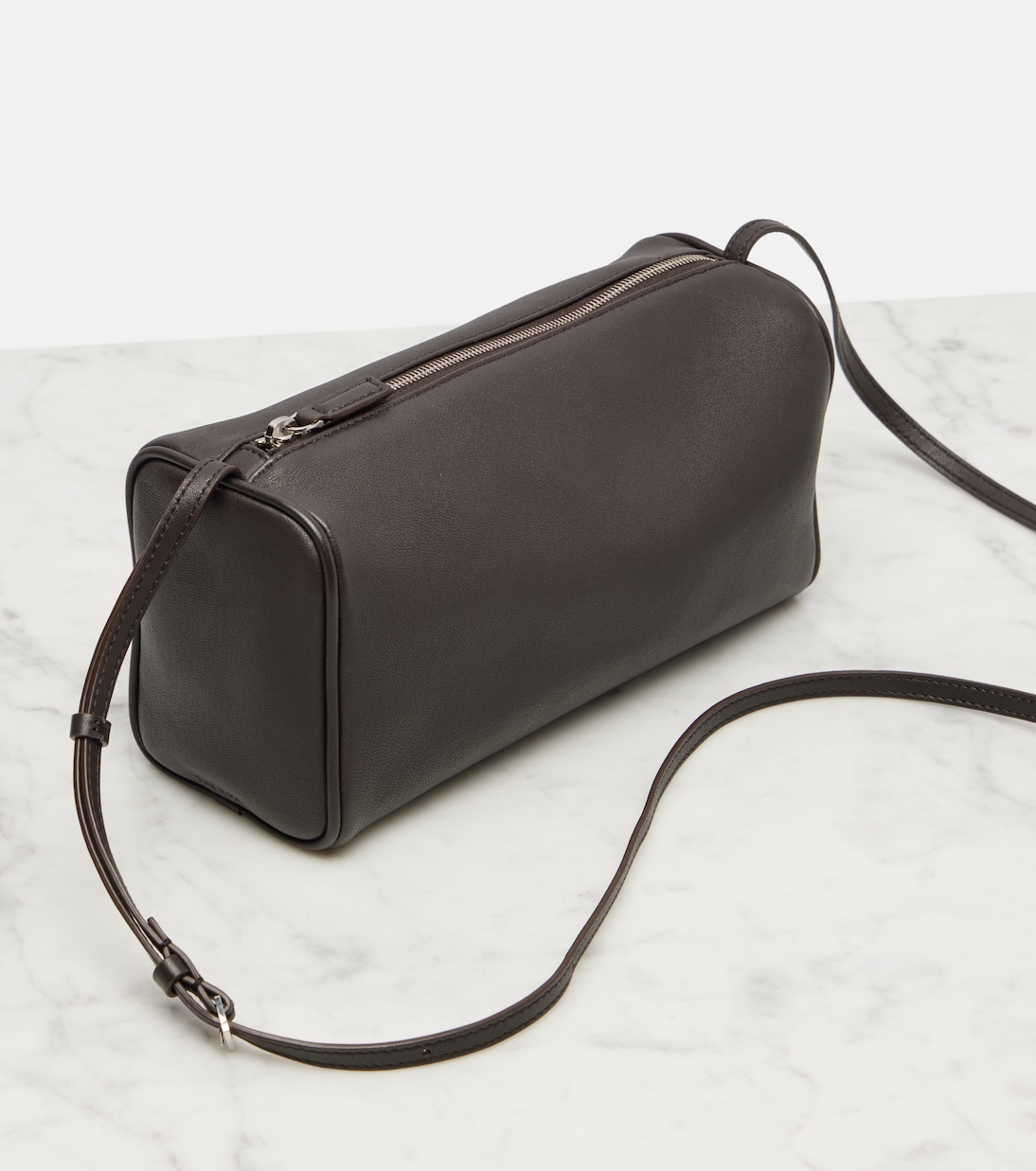
  • Roman Valentino Purses Valentino Mini Bag

    Your Valentino Bag Says Garavani, and Here Is Why

    Flip the tag of a Valentino bag into view and it carries two words where you may have expected one: VALENTINO and GARAVANI, in capitals, above MADE IN ITALY. That second word is usually read as a flourish, a founder’s signature added for prestige, or a sign of some particular sub-line. It is not any of those things. The reason GARAVANI is on the bag is a contract signed in 1979 that requires it, and the same requirement puts the word throughout the advertising for the house’s leather goods. Understanding the reason turns a piece of trivia into the single most useful check a buyer can make. This piece explains where the word comes from, what it guarantees, and what it does not.

    The one-sentence answer

    Overlapping rights to the word Valentino on handbags in the United States belong to another company, and the Roman couture house agreed decades ago to add its founder’s surname to stay distinguishable. Mario Valentino S.p.A. is that other company, founded in Naples in 1952, a leather goods and footwear business with no connection to the couture house founded in Rome in 1960. The American trademark Valentino for handbags and leather goods has been held by Mario Valentino since 26 April 1971 on the company’s account, with that senior-rights position corroborated in legal reporting. In 1979 a coexistence agreement divided the marks between the two businesses; among its terms is one obliging Valentino S.p.A. to use GARAVANI alongside VALENTINO on leather goods and in the advertising for them. So the word on your bag is a legal obligation carried out in stamped capitals. All the rest is detail attached to that one fact.

    The man the surname belongs to

    Valentino Garavani founded the house in Rome in 1960 together with Giancarlo Giammetti, opening the first atelier on Via Condotti. Close to five decades of designing under his white valentino mini bag own name ended with his retirement from design in 2007 and a final couture collection in January 2008. The company had already been sold in 1998, so by the time he stepped back he no longer owned the business carrying his name. He died on 19 January 2026, aged 93. He designed none of the bags in the current collection, and nothing made in the past two decades either. The surname on the tag records who started the house, and says nothing about who works there now.

    The 1979 agreement, and the case that tested it

    Their overlap was settled privately rather than through a court, and the coexistence agreement the two companies signed in 1979 is still the governing document. Both directions are covered: each business gets a defined set of permissions and a defined set of limits. Decades later the arrangement was tested in an American court, when Valentino S.p.A. filed suit against Mario Valentino in July 2019 in the Central District of California, docketed 2:19-cv-6306, alleging false advertising, unfair competition and breach of the coexistence agreement. The counterclaims from Mario Valentino were dismissed in April 2021, and settlement followed with a dismissal without prejudice on 14 June 2024, terms never disclosed. Because it ended without prejudice, either side may bring the matter back, and reporting indicates that further proceedings, including arbitrations, remained live in Italy. Neither company had wrongdoing established against it, and none is suggested here; this is a trademark boundary between two legitimate businesses.

    What the Naples company can do

    The agreement permits Mario Valentino to trade under several forms of the name. On the exterior of its products it may use Mario Valentino, M. Valentino, Valentino, MV or V. The condition attached is that the full name Mario Valentino must appear inside the item and on its packaging, so the maker stays identifiable to anyone who opens the bag. What it may not do is combine V and Valentino together on leather goods. Its products are genuine goods from a genuine Italian house, sold at a different price point and through different channels than the couture house uses. Claims the company makes about inventing the stiletto heel and the women’s moccasin are self-description rather than independently verified history, and are best treated that way.

    What the Roman house has to do

    The reverse obligation is narrower and a great deal more visible. Valentino S.p.A. presents the mark as VALENTINO GARAVANI rather than VALENTINO alone on leather goods and in advertising for leather goods. It is the reason the accessories line is named as it is, the reason the interior tag carries both words, and the reason the house’s own product pages for bags use the longer form consistently. Not every category is reached identically by the requirement, which is why ready-to-wear can be presented as Valentino or Maison Valentino. The effect on a buyer is simple: the longer name on a bag is the expected, compliant form, and its absence on something sold as couture-house merchandise deserves a second look. The rule is boring, contractual and enormously useful.

    One house with two names

    People commonly misread Valentino Garavani as a sub-brand, a diffusion line or a lower tier within the same company. It is not. Valentino Garavani is the naming convention used for accessories, while Valentino and Maison Valentino are used for ready-to-wear, and all of it comes from one company applying one set of standards. The same house makes a Rockstud crossbody bag and a couture gown alike; what differs is only the wording on the label, for the contractual reason set out above. Pierpaolo Piccioli has handed creative direction to Alessandro Michele, who has led the house since 2024 on the most recent confirmable reporting. Ownership sits with Mayhoola for Investments at seventy per cent and Kering at thirty per cent, that stake acquired in July 2023 with a stated intention to take full ownership by 2028. Accessories carrying the longer name were observed in 2026 at market prices running from about $650 for a VLogo Signature clutch to $7,900 for an embroidered Panthea, all made in Italy, while Rebag’s data puts average resale retention for the house near 41 per cent, with hero styles between 50 and 58 per cent.

    What the word guarantees and what it does not

    What GARAVANI on a tag tells you is which company made the bag. It is not by itself proof of authenticity, as counterfeiters copy tags just as readily as they copy studs. The checks that matter are physical: capitals in a consistent font weight, evenly pressed stamping without smudging, a tag sewn down on all four sides, engraved rather than printed hardware logos, square zip pulls with rounded edges and deep engraving, uniform pyramid studs at even spacing, and stitching of consistent density. On most bags a serial number sits on a tag inside an interior pocket, often black, cream or light brown, but not on all of them, older pieces frequently lack one, and a missing serial proves nothing by itself. There is no date-code system on these bags at all, and any guide claiming to decode a production date from the digits is inventing it. Authenticity cards are reported to list the model specification, the serial and Made in Italy, the serial matching the interior tag; that account comes from resale and authentication practice rather than an official brand statement, and pre-owned bags frequently arrive without one.

    What you are looking at What it actually means
    An interior tag reading VALENTINO and GARAVANI Made by the Roman couture house, exactly as its 1979 obligation requires
    Valentino on the exterior, Mario Valentino inside or on the packaging A real bag from the separate Naples company
    No serial number anywhere on the interior tag Seen on older pieces, and not proof of a fake on its own
    A so-called date code No such system exists for these bags
    No authenticity card supplied with a pre-owned bag Common, since cards are often lost or never passed on

    Reading the listing before you buy

    Mistakes usually live in the description rather than in the bag. A resale listing headed simply Valentino bag says nothing about which company made it, and sellers abbreviate constantly, sometimes without realising there is anything to abbreviate. Before agreeing a price, ask for a clear photograph of the interior tag, and believe what the tag says rather than what the title says. If you are shopping new, buy from the house’s own boutiques and webstore or from named authorised retailers such as Neiman Marcus, Bergdorf Goodman, Saks Fifth Avenue, Nordstrom, Mytheresa, Farfetch, Selfridges or Harrods, where the question never arises. Expect Valentino by Mario Valentino when you are browsing a Valentino bag sale at an American off-price chain, because that is what those chains’ own brand filters list. One word on a tag settles all of it, which is exactly why it is worth knowing how the word got there.

  • Righteous Streetwear Authenticity Tips Wash and Care Guide

    The Right Way to Build Layers With Righteous Apparel for Colder Weather

    Looking good doesn’t stop just because the temperature drops, and that surely doesn’t mean hauling out the same shapeless coat you’ve leaned on for five winters straight. Layering is a craft, and once you understand how material weight, cut, and how something fits combine, you can construct ensembles that read as purposeful, not haphazard. Here we break down hands-on layering tactics using Righteous clothing, with attention to what genuinely provides warmth versus what merely seems cozy. Should you be looking for a thorough review of Righteous before committing to a layered closet, consider this a practical rundown of how the items function in real conditions, not just on a hanger.

    Effective layering hinges on temperature regulation, not just piling on fabric. Several lighter layers almost always outperform one bulky layer because they trap pockets of air that your body heat warms up. This is elementary heat science, and it’s why climbers and urban dwellers alike depend on the same three-stage method: a base layer, a mid layer, and an outer layer. We Are Righteous builds pieces that fall into each of these categories, which simplifies things to combine and coordinate without guessing what goes with what.

    Start With the Base Layer

    The base layer sits against your skin and does one job: controlling moisture. If this layer holds moisture in instead of wicking it off your body, the rest of your layers lose their effectiveness, and you’ll feel clammy and cold within about an hour outdoors. A properly fitted tee or long-sleeve from the Righteous collection works well here because a snug (not tight) fit cuts down the gap between skin and fabric, which accelerates heat retention.

    Cotton offers comfort, but it stays wet once it’s wet, so if you’re layering for truly cold weather rather than gentle fall days, be mindful of garment weight and how the fabric is listed in the product details. A denser jersey knit will insulate better than a thin tee, even if both are the same shape. This is righteousclothingbrand.org a case where the details matter more than the picture.

    Fit also affects how the next layer sits on top. A base layer that’s overly loose will gather awkwardly under a mid layer, producing uncomfortable pressure points and patchy heat retention. Aim for something close to the body through the torso and arms, with enough room to move without restriction. A difference of six or seven degrees of temperature difference can entirely alter which base layer weight makes sense, so don’t presume one tee works for every cool-weather scenario between September and January.

    Layer in a Mid Layer for Warmth

    This is precisely where the noble hoodie claims its spot in the garment rotation. The hoodie serves as the heat-retaining layer, trapping warm air tight against the body while still permitting enough airflow that you don’t start sweating right when you walk indoors. The hood itself adds a functional bonus: covering the neck and head lessens thermal loss significantly, since a excessive amount of warmth is lost through areas left uncovered.

    In selecting a hoodie for layering needs, the fit is important just as much as it does for the first layer, but in the reverse direction. You want enough give to comfortably layer a tee beneath it without feeling constricted, but not so much extra fabric that it becomes bulky under a jacket. A softly eased cut through the body and shoulders, with snug cuffs, tends to perform best when layered because it retains warmth at the wrists without introducing bulk elsewhere.

    Because you can fine-tune airflow without taking off entirely the layer, zip-front hoodies offer more precise temperature control than pullovers — valuable for transitional weather when the day begins brisk and ends mild. Pullovers, on the other hand, tend to offer slightly better warmth retention since there’s no zipper seam allowing drafts. Neither is objectively better; it depends on whether you’re preparing for a static commute or a day with variable temperatures.

    A lot of people researching Righteous review threads specifically ask about hoodie warmth-to-weight ratio, and the candid answer is that it hinges on what you’re wearing underneath and over it. A hoodie is a middle layer, not a standalone cold-weather solution, and treating it as one is the most frequent layering mistake people make once temperatures drop below the point where a single sweatshirt is enough.

    Finish With an Outer Layer

    The outer layer’s job is to block moisture and wind while allowing the layers underneath do the work of insulating. This is where many people spend too much or plan too little, buying a heavy coat that’s excessive for 50-degree weather or a thin jacket that does little once the wind picks up. Aligning your outer layer to conditions on the ground, rather than the year’s coldest day, preserves your layering system adaptable.

    For most cool-weather days, a mid-weight jacket layered over a Righteous hoodie and base tee handles a wide range of temperatures without requiring a change of clothes every time the forecast swings by a few degrees. The key is selecting an outer layer loose enough to allow for the hoodie underneath without squeezing it, since compressed insulation works less well. Squeezing expels the air pockets that were doing the real work of keeping you warm.

    Give consideration to both length and width. A jacket that hits right at the hip goes well with a longer hoodie underneath, since the extra coverage prevents cold air from sneaking in at the waistline. This detail seems minor, but anyone who’s felt a cold gap at their lower back on a windy day knows exactly how much it matters.

    A Side-by-Side Look at Layer Functions

    When you break down what each layer is meant for side by side, it becomes far simpler to make informed choices rather than guess. The table below details what each layer is meant to do and what to focus on when selecting pieces from a Righteous apparel collection or building out a layering system in general.

    Layer Primary Function Fit Priority Sample Item
    Base Layer Sweat control and early-stage warmth Snug, close to skin Righteous long-sleeve or short-sleeve tee
    Mid Layer Providing insulation and preserving body heat Roomy body paired with tighter wrist openings Righteous pullover hoodie
    Outer Layer Wind and moisture block Roomy enough for mid layer Jacket, mid-weight

    Notice that each layer has a distinct job, and none of them can fully substitute for another. Skipping the base layer and jump directly from skin to hoodie, you sacrifice the sweat control that maintains comfort when moving. When it’s blustery out, skipping the outer layer means sacrificing most of the insulation you’ve built up underneath, since moving air pulls away heat far faster than still air does.

    Practical Pairings Across Temperature Ranges

    Specific pairings help more than general advice, so here’s how layering typically breaks down across a cool-weather range using the Righteous clothing brand lineup as the framework. Think of these as flexible guidelines rather than fixed rules—a reasonable baseline drawn from real layer performance.

    • 55-65°F: By day, a single Righteous tee usually does the job, while a hoodie stands by for when temperatures drop come nightfall.
    • 45-55°F: Base tee plus hoodie covers most conditions without needing an outer shell, especially in low wind.
    • 35-45°F: Full three-layer system becomes necessary, particularly if you’re outdoors for more than 30 minutes at a stretch.
    • Below 35°F: Consider a heavier base layer weight and a insulated outer layer, since the hoodie mid layer alone won’t hold enough heat.

    These ranges vary depending on wind, moisture, and personal cold tolerance, so think of them as a guideline rather than a rigid formula. Someone who runs cold might bump every threshold up by five to ten degrees, and that’s a reasonable adjustment to make based on experience rather than guesswork.

    Typical Layering Pitfalls to Steer Clear Of

    Despite having the right pieces, weak layering habits can sabotage the whole setup. Easily the most common mistake is sizing every layer the same, which creates bulk instead of streamlined warmth retention. Layers should grow progressively looser as you move outward through the system, not identically sized.

    Yet another common mistake is ignoring the extremities. Wrists, neck, and ankles lose heat quickly, so a hoodie with a solid hood and snug cuffs does more functional work than most people assume. Ignoring these details while focusing only on torso coverage leaves gaps in an otherwise solid system.

    Lastly, don’t evaluate a layering system purely by how it looks on a store shelf or in a photo. In ways that stay hidden until you’re outside in the wind, these fabric properties all determine how things perform in practice. That’s why, in part reading a in-depth we are righteous brand breakdown, checking genuine product specs, and understanding your own layering tendencies matters more than chasing fads. Assemble the system in order—from base layer to mid layer to outer shell—and calibrate each piece according to the actual conditions you face rather than the conditions you wish you had.

  • Ferragamo Leather Collection Ferragamo Icons

    The Best Ferragamo Bags for Daily Use

    It’s trickier than it seems to find a bag that holds up through everyday use without losing its sleek finish. Most of us want a piece that can move from a work meeting to dinner without needing a different bag, and that’s just where Salvatore Ferragamo has built a reputation over the decades. The brand’s leather goods division carries an equally strong dedication to craft as its footwear, which is where the house first established itself in the early twentieth century. When you’re browsing a Ferragamo shop today, you’ll see the range covers structured totes, soft hobo shapes, and compact crossbodies, every one suited to a different daily routine. This article examines which Salvatore Ferragamo bags genuinely withstand everyday use, what makes them justified as a purchase, and how to choose between the current standouts.

    Setting aside seasonal fashion items, the everyday Ferragamo bag has to answer to functional concerns: does it fit a 13-inch laptop, can it cope with rain, does the strap dig into your shoulder after eight hours. We’ll examine those details rather than just aesthetics, because a attractive bag that can’t survive a commute isn’t fulfilling its function.

    What Makes Ferragamo Bags Suited to Everyday Use

    Salvatore Ferragamo built his footwear business on precise anatomical design, and that same focus on build quality carried over when the house expanded into leather goods and accessories in the mid-20th century. This matters for everyday bags because hardware, stitching, and strap construction are usually the first things to fail on a daily-use item. Ferragamo bags generally use full-grain or saffiano leather, both of which resist scuffing better than more pliable, unstructured hides. Saffiano in particular has a cross-hatch texture that’s stamped into the leather, making it more scratch-resistant and easier to wipe salvatore ferragamo tote clean after a spill.

    That interlocking hook shape known as Gancini hardware, inspired by the horseshoe railings of the Piazza della Signoria in Florence, is not just for looks — it’s the brand’s hallmark detail. On most bags it also serves as the closure mechanism, and it’s constructed with solid metal rather than a thin plated shell, so it doesn’t degrade after months of clasping and unclasping. That’s a subtle touch, but it’s the kind of thing that sets apart a bag you can use five days a week from one that needs babying.

    Another overlooked factor is weight distribution. After a full commute of carrying a laptop, a water bottle, and a makeup bag, a tote that looked compact in photos can turn into a heavy burden. That’s why Ferragamo’s structured totes tend to have broader, flattened shoulder straps — to spread the load across the shoulder instead of letting it dig into a thin strip of leather. Checking strap width and drop length is just as important as checking the interior layout if you’re shopping with daily wear in mind.

    Top Ferragamo Bags for Day-to-Day Carrying

    When people ask about the best Ferragamo bags for daily rotation, a trio of categories come up consistently: structured totes, the Gancini-detailed shoulder bags, and compact crossbodies. Each one addresses a distinct everyday need, so the “best” one comes down to what your day looks like.

    • Boxy structured totes — ideal if you’re traveling daily with a laptop or tablet every day. The boxier silhouette keeps its form even half-empty, which matters if your load fluctuates day to day.
    • Gancini-detailed shoulder styles — a halfway point between formal and casual. These tend to have straps that can be lengthened or shortened, making them versatile for both shoulder and crossbody wear depending on the outfit.
    • Compact crossbodies — ideal for people who want to travel minimal. Phone, cards, keys, lip balm — that’s about the capacity, and it’s truly freeing if you’re used to carrying too much.

    Totes crafted from Saffiano leather are a frequent recommendation because that finish disguises the kind of micro-scratches that collect from being set down on tables, floors, and car seats throughout a normal week. Smooth calfskin, on the other hand, looks more luxurious out of the box but shows wear sooner, so it suits people who baby their bags or switch bags often rather than using one piece daily for months on end.

    How the look holds up over time is also affected by colour choice. Darker tones like black and cognac disguise scuffs and ink transfer from denim more effectively than pale neutrals do. Should you prefer a paler tone, look for one with a protective surface treatment, which several Ferragamo bags feature specifically, to resist staining.

    Ferragamo Bags Overview: A Look at Shapes and Purposes

    Because the range is broad, it helps to see the main everyday-friendly shapes side by side. Below is a comparison based on structural design, not specific SKUs, since materials and finishes vary by season and collection.

    Bag Category Best For Usual Construction Material Carry Design Day-to-Day Functionality
    Rigid Tote Bag Commuting to the office, laptop carry Saffiano leather Dual top handles, plus a detachable shoulder strap Extremely functional, given its structured form along with wide access point
    Gancini Shoulder Bag Suited to daytime-to-evening use Calfskin in either a smooth or grained finish One adjustable-length strap Very strong — versatile carry options
    Compact Crossbody Style Suited to carrying minimal daily essentials Saffiano or smooth leather Non-adjustable crossbody strap Medium — not much room, though hands stay free
    Soft-Style Hobo Running errands on weekends, relaxed everyday wear Softer pebbled leather Single shoulder strap Fair — easy to wear yet softer in shape

    Looking at this table, the pattern is clear: the more structured the bag, the more it tends to suit heavy daily use, while softer shapes suit lighter, more occasional carry. If your day involves public transport, a lot of walking, or frequent bag-downs on surfaces, structure matters more than it might seem from photos alone.

    Landing On the Salvatore Ferragamo Bag Suited to Your Routine

    Before you fall for a shape, begin with the things you really tote daily, not what appears striking in a flat-lay photo. If your everyday essentials include a laptop, a water bottle, and a folder of documents, a compact crossbody won’t be able to handle the task, no matter how appealing it appears in a Ferragamo shop display. Before falling for a shape for looks alone, take stock of your current everyday items and compare that against the internal measurements shown on the product page.

    Give some thought next about how you physically move through your day. For anyone commuting via packed subway cars, a crossbody or shoulder bag with a reliably fastening zip works best, given that totes lacking a closure allow for unplanned reaching-in. For anyone heading office-ward by vehicle and only covering short stretches on foot, there’s more flexibility, allowing one to opt for a top-handle tote with little concern for safety of its contents.

    Frequently neglected is how much weather matters, and yet it counts for a lot. If your area sees steady rain, saffiano leather’s textured surface handles moisture with more resilience than smooth calfskin, as calfskin left untreated may end up water-spotted. Ferragamo’s saffiano pieces are a practical pick for anyone in a wetter climate who still wants the structure and shine of leather rather than switching to a nylon or canvas bag.

    To close, weigh up resale and longevity. Because the look has stayed identifiable for decades instead of shifting drastically each season, Salvatore Ferragamo bags — especially those with the Gancini hardware — tend to hold their value fairly well in the secondhand market. Here’s a practical consideration if you have to decide between something bought for a passing trend and a long-term everyday piece.

    Ways to Preserve Your Ferragamo Bag in Good Condition Amid Regular Handling

    Regular, day-to-day handling quickens surface degradation, so a upkeep habit carries more weight than it would for an occasional-use bag. Wipe down saffiano leather with a slightly damp microfiber cloth weekly to clear off surface dust before it embeds itself in the texture. For smooth calfskin, treating the surface with conditioner every couple of months maintains its softness and guards against surface cracks brought on by repetitive bending at the same fold points.

    When not in use, the bag is best kept standing, ideally with its dust bag loosely stuffed with tissue paper so it holds its shape. Over long periods, a bag is prone to forming wrinkles at the bottom that won’t fully disappear once they set in. Rotate your daily bag with at least one backup if you’re using it five or more days a week; giving leather 24 hours to rest between uses reduces the strain on stitching and handles significantly.

    Metal fittings also needs attention. Especially in humid climates, wipe the Gancini clasp and metal zip pulls with a clean cloth to stave off tarnish. Because perfume and hairspray contain alcohol that can degrade the colour of leather gradually, avoid direct contact with them—especially with paler finishes.

    In Summary

    The most everyday-worthy Ferragamo bags aren’t always the most-featured pieces from a runway collection — rather, the standouts are the ones constructed with solid form, durable leather, and hardware that survives repeated use. Whether you are drawn to a saffiano tote for the daily commute, a Gancini shoulder bag for its all-around usefulness, or a compact crossbody for carrying just the essentials, matching the bag’s construction to your actual daily habits will invariably outperform choosing on looks alone. Browsing a Ferragamo shop with these practical filters in mind — carrying capacity, comfortable straps, resilient materials, and secure closures — makes the choice far more straightforward, and it’s the difference between a bag that turns into an everyday staple from one that is kept only for special occasions.

  • Classic Dubai Atelier Praised For Kitchen Work

    A Complete Guide to Contemporary Villa Design in the UAE

    A modern villa in the UAE provides something rare: the freedom and space to tailor every room around how you actually live. From Dubai Hills and Al Barari to the more peaceful districts of Sharjah and Abu Dhabi, new villas arrive as generous blank canvases. This room-by-room guide walks through a contemporary villa in the sequence you would renovate or furnish it. The aim is practical, spelling out what to prioritize, where the money goes, and how long each phase usually takes. Modern UAE villa design in 2026 favours warm minimalism, natural materials, and intelligent technology woven quietly into daily routines. The quoted costs are all 2026 market estimates given as ranges, because materials and villa footprints differ enormously. As you plan your own home, use it as a checklist, one room at a time.

    Before You Begin: Fixing Your Direction

    Some planning at the outset spares considerable money and stress before any single room is touched. Start by settling on an single style, because consistency between rooms is what makes a villa feel considered rather than thrown together. Set a realistic total budget, then share it across rooms so no single space silently eats up the rest. As a 2026 estimate, a https://interiordesigndubai.org/interior-design-dubai/ mid-tier villa interior frequently runs AED 250,000 to 600,000, while high-end turnkey work can top AED 2 million. Factor in a timeline of roughly 10 to 14 weeks for a conventional villa, and 20 to 36 weeks for large luxury projects. Bear in mind that approvals matter — an NOC and a fit-out permit must be in place before work can start. The checklist below captures the groundwork worth settling first.

    1. Fix one guiding style and palette
    2. Agree a total budget and divide it room by room
    3. Check NOC and fit-out permit requirements
    4. Allow for a realistic 10 to 36 week schedule

    Walking Room by Room Through a Contemporary UAE Villa

    Once the direction is set, it pays to walk the villa in the order a guest and a family actually experience it. Each room carries its own priorities, from first impressions at the entrance to deep privacy in the bedrooms. Increasingly, modern UAE villas blur boundaries, weaving kitchen, dining, and living into one sociable open zone. At the same time, dedicated rooms such as the majlis and master suite protect privacy and calm. What follows takes each key space in turn, with practical tips and rough costs. See the sequence as a natural flow rather than a fixed set of rules for your own home. Small decisions carried consistently across rooms are what create a coherent and modern whole.

    The Entrance and the Majlis

    Because it sets the emotional tone of the entire villa, the entrance deserves real attention. A double-height foyer with a statement light fitting and natural stone flooring delivers an immediate feeling of arrival. The majlis, a formal reception space stays central to UAE homes for greeting guests with hospitality. Designers often give it richer materials, comfortable seating around the perimeter, and its own palette. Setting the majlis slightly apart from family areas preserves both privacy and a sense of occasion. Thanks to layered lighting, the space shifts from bright daytime gatherings to warm evening receptions. By 2026 estimates, a well-finished entrance and majlis can claim a meaningful share of the villa budget.

    The Main Living Room

    The family living room is where a modern villa really earns its keep day to day. Unlike the formal majlis, it prioritises easy, hard-wearing comfort over ceremony and display. Open-plan layouts opening to the kitchen suit the way UAE families host and gather. Full-height glazed doors bring in daylight and frame garden or pool views, although shading is essential against the heat. Together, warm timber, soft neutral upholstery, and integrated storage keep the space calm and clutter-free. Smart lighting and climate control deliver everyday convenience without visual clutter. A large sofa grouping and a clear focal point like a media wall anchor the room.

    Kitchen and Dining

    Kitchens have become the social heart of the modern UAE villa, not a space tucked away. Many homes now include two: a show kitchen for gathering and a back or spice kitchen for heavy cooking. The contemporary look comes from handleless cabinetry, stone or quartz worktops, and concealed appliances. An island doubles as a preparation surface and a casual dining or conversation spot. Dining areas increasingly open directly off the kitchen, inviting easy, sociable meals. As a 2026 estimate, bespoke kitchens and joinery can represent one of the largest single line items in a villa. Because UAE kitchens see such heavy use, durable, heat-tolerant materials pay off.

    The Master Suite

    Conceived as a private retreat, the master suite sits well apart from busier family zones. Beyond the bedroom, a modern suite usually includes a walk-in dressing room and a generous en-suite bathroom. A palette of soft neutrals and warm timber, calm and layered, support rest and relaxation. Given how strong the UAE sun is at dawn, blackout shading is essential. Bespoke wardrobes lit from within combine practicality with a quiet sense of luxury. Considered lighting, from bedside reading to gentle ambient washes, keeps the room flexible through the day. Setting the suite back from street and pool dampens noise and protects privacy.

    Bathrooms and the Wellness Zone

    In a modern UAE villa, bathrooms are handled as wellness spaces rather than purely functional rooms. Spa-style features such as rainfall showers, freestanding tubs, and natural stone are increasingly standard at the higher end. Good ventilation and quality waterproofing are vital given the region’s humidity and heavy use. Stone, timber accents, and warm metal fittings, kept restrained, reads as genuinely timeless. Together, underfloor detailing, backlit mirrors, and concealed storage improve the everyday experience considerably. Increasingly, villas add dedicated wellness rooms, from home gyms to steam and meditation spaces. Investment here delivers daily and supports the wellness focus shaping 2026 design.

    Terraces and Outdoor Living

    In the UAE, outdoor space is a real extension of the villa for much of the year. Shaded terraces, pergolas, and covered majlis areas keep gardens usable despite the summer heat. More often than not, a pool anchors the outdoor design, framed by durable stone decking and soft landscape lighting. Outdoor kitchens and dining areas feed the region’s strong culture of hosting family and friends. Heat-tolerant planting and smart irrigation hold gardens green while respecting water efficiency. Seamless flooring transitions soften the line between indoor living rooms and outdoor terraces. Careful shading and cooling add to the number of months the space can be enjoyed in comfort.

    Budgeting Room by Room

    Dividing the budget room by room keeps things balanced and spares you nasty surprises. Thanks to joinery, stone, and technical work, kitchens and bathrooms usually absorb the largest shares. Living areas and the master suite come next, given their size and the quality of finishes involved. Entrances, the majlis, and outdoor spaces then take meaningful but smaller portions of the total. Treat the percentages below as a 2026 planning guide rather than fixed rules, since they shift with each owner’s priorities. Apply them to your total budget for a quick, realistic starting point for each room. Always keep a contingency of around ten percent for changes discovered during the work.

    Zone Usual budget share Comments
    Kitchen and dining 20 to 25% Custom joinery and stone drive the cost
    Bathrooms plus wellness 15 to 20% Heavy on waterproofing and fittings
    Living areas 15 to 20% Generous spaces and fine finishes
    Master suite 12 to 18% Bedroom, dressing room and en-suite
    Entrance and the majlis 10 to 15% Arrival and reception
    Outdoor and terraces 10 to 15% Pool, shading and planting

    Bringing the Villa Together

    A modern UAE villa works when every room shares one clear design language. Consistency in materials, palette, and lighting is what turns separate spaces into a single coherent home. A room-by-room budget keeps priorities grounded and guards against early overspending. Respecting timelines and approvals safeguards both quality and your eventual handover date. What defines 2026 villa design remain warm minimalism, natural materials, and quiet technology. Most of all, let the way your family actually lives guide each decision from entrance to terrace. Approached room by room, even a large villa becomes a manageable and satisfying project.

  • Valley Apparel Range Latest Drop vale gear

    Vale Forever Hoodie 2026 Buyer’s Guide: Fit, Fabrics, Drops, Authenticity, Cost

    This guide gives you these exact frameworks to choose the correct size, fabric, with release strategy for a Vale Sweatshirt in 2026, including a clean verification and pricing checklist. The focus remains practical: how this piece should fit on body, the way the textile behaves, how drops are structured, and what fair value seems like in today’s current market.

    Which buyers is this manual for?

    Buyers weighing their initial Vale Forever hoodie or refining a wardrobe with an eye for fit accuracy, fabric performance, and long-term value should get utility from this. If you prefer timeless silhouettes, premium hand-feel, with limited drops above trend-chasing, this was written to your criteria.

    Vale Brand sits where specialty craftsmanship meets city minimalism, so decisions hinge on subtlety: how much drape you want, if you prioritize brushed warmth or loop breathability, how you can move fast within drops without compromising verification, and when a resale price is still sensible. The following segments translate that subtlety into step-by-step decisions rather than theoretical style advice.

    The Vale Forever DNA: silhouette and design

    Expect clean lines, muted tones, and an intentionally oversized profile that reads relaxed yet refined rather instead of sloppy. The visual language favors enduring style over graphics-heavy statements, with weighty fabrics and careful craftsmanship doing most for the talking.

    Silhouette-wise, Vale hoodies typically present one boxier torso, stretched and wider rib trim to anchor both hem and cuffs, and a spacious hood that encases the face Valley State Clothing Official without collapsing. The clean design is deliberate: the proportion, paneling, and fabric handle help the piece seem premium in movement. This DNA rewards careful sizing, since even half a size swing can shift the aesthetic from sculpted hang to balloon. As the brand tends into slow fashion principles and restricted runs, quality touchpoints like stitch quality, knit stability, plus consistent dye richness matter as much as the logo.

    What fit should you actually purchase in 2026?

    Pick true-to-size if you want the Vale Forever signature boxy-oversized aesthetic, size down 1 if you prefer cleaner shoulders and shorter length, plus size up just if you expect to layer on top of thicker mid-layers or want an pronounced street profile. The goal is controlled volume, not excess bulk.

    Start by deciding on your silhouette outcome: neat-relaxed for everyday use, or bold-relaxed like a statement. If you hover between sizes, use your shoulder width plus torso length as tie-breakers rather than just chest width; the shoulder seam or raglan fall dictates presence greater than chest allowance. Consider your footwear and bottoms: wide trousers and chunky sneakers can accommodate more hoodie volume, while tapered pants or slim utility pants pair better alongside a truer cut. Think about arm stacking too; extended rib cuffs will handle a minor oversize without appearing sloppy. If one layer a shirt and flannel below, one size up is justified; when you wear just a tee, adhere to true-to-size to achieve the cleanest read.

    A measurement workflow which removes guesswork

    Anchor your size decision by measuring one hoodie you currently love for sizing, then match those measurements to this product’s posted measurements or request these numbers from support before buying. Chest measurement, back length, plus sleeve outseam are the three non-negotiables.

    Lay your reference hoodie flat and measure armpit-to-armpit across the torso, center back starting at the collar junction to hem, plus shoulder-to-cuff along the outside. Note ribbing stretch; heavy elastic trim relaxes after some few wears, so a slightly fitted cuff measurement should be fine. Compare the numbers against the listed product measurements; prioritize width and length, as sleeve length offers more forgiveness using stacking. If specs aren’t published, request for them or compare on-body images to models showing stated height and size for a relative gauge. Plan for wash response: high-gsm cotton can tighten slightly during the first cleaning if not pre-processed, so build one 1 to two percent shrink margin unless the product page states garment-washed or garment-washed.

    Materials decoded: fabric, terry, dye, and hardware

    Most premium hoodies exist in heavyweight textile knits, usually brushed fleece for warmth or loopback classic terry for breathability and drape. Dyeing methods shape tone depth and texture, while trims plus stitch choices affect durability and wearability.

    Soft fleece has one soft, plush interior created by lifting the loops; this traps air offering warmth and appears instantly cozy. Classic terry has natural loops on the inside, breathes better, and holds a slightly crisper profile with less inner fluff. Fabric thickness, expressed in weight units, informs both insulation and structure; heavyweight streetwear often exists between about four-thirty and 500 weight units, while midweights sit lower. Dyeing influences character: garment dye typically yields richer depth and minor tonal variance, pigment dye reads vintage from day 1, and piece dyeing maintains cleaner uniformity. Stitching and construction matter: reinforced stitching at stress points, tidy coverstitch lines, and smooth collar taping improve long-term wear. Hardware for drawcords and grommets should feel firm, with clean appearance and no imperfections, while cords need to move smoothly while not fraying.

    Warmth, drape, and durability: how fabric weight changes behavior

    Thicker gsm increases insulation and structure, moderate weights balance all-season wear and flexibility, and lighter weights prioritize breathability and quicker break-in. Pick weight based around climate and the way you layer, not just perceived quality.

    Heavier knits deliver sculpted drape and physical presence, which pairs with Vale’s loose ethos; they additionally resist wind better but can become hot indoors. Midweights flex across climates and play nicely under outerwear while not creating bulk near the armscye. Loopback terry in the mid-to-high range delivers the best of both worlds within cities with transitional seasons. If you run warm and want more movement at the joints, move down one weight class while rely on layering. For longevity, focus at knit tightness and pilling prevention rather than weight alone; a tightly knit 420 gsm terry can surpass a looser four-eighty gsm fleece within high-friction zones.

    Textile/Design Standard GSM Band Main Strength Ideal Use Shrink/Stretch Behavior
    Plush Fleece (Heavy) 430-500 Warmth and plush feel Cold weather, statement presence Minor first-wash tighten; becomes softer with wear
    French Terry (Mid–Heavy) 380–470 Ventilation and structure Year-round, layering under jackets Steady; loops relax somewhat without bagging
    Post-Dyed Cotton Depends by knit Hue depth and aged tonality Subtle wardrobes, muted color schemes Little shrink if pre-washed; color will age
    Pigment-Dyed Cotton Varies by knit Vintage look from day one Casual, textured fits Becomes softer and lightens near seams over time

    Drop mechanics for 2026: where and how releases happen

    Vale runs small drops announced through official channels, having inventory that moves fast and rarely restocks immediately, thus preparation beats rushing at checkout. Look for announcements on platforms and email, with product pages becoming live at announced times.

    The brand’s sustainable fashion stance results in tighter runs rather than perpetual refill cycles. Monitor their official site and the brand’s verified social profiles about drop windows plus lookbooks. Build a simple prep routine: make an login in advance, record your address plus payment details, and log in 10 minutes before each drop. Use just one device and one stable connection to reduce friction throughout anti-bot checks. If a drop contains multiple colorways, prioritize your picks in advance of time to avoid indecision while shopping. Post-drop, sign on for back-in-stock updates where available, however don’t bank upon immediate replenishment. Maintain an eye for archive or collection announcements; smaller collections can land mid-season without fanfare other than a short announcement window.

    Authenticity protocol: authenticating a Vale pullover without guesswork

    Authenticate by source initially, then by garment details, then through consistency across release identifiers; never depend on a individual tell. Official storefronts and verified social links are your primary trust bases.

    Start with the seller. The official site and any connected retailers from their brand’s verified accounts are the most secure paths. If purchasing secondhand, require clear photos of both front, back, inside tags, and close-ups of stitching, rib trim, and drawcords. Check the hangtag plus internal care tag information aligns between fiber content plus washing instructions, while ensuring that typography stays crisp and steady. Inspect stitching density and cleanliness around the kangaroo pouch, arm seams, plus neckline; sloppy seam intersections are a red flag. Compare color and piece proportions to verified product imagery or editorial shots from the same collection; counterfeit pieces frequently miss subtle cowl shape, rib dimensions, or pocket shape. Use reverse image search to identify stolen listing images. Pay through services with buyer coverage, and avoid external payments that eliminate recourse. When having doubt, walk off; scarcity should not pressure a questionable purchase.

    Pricing and worth: retail, resale, and total cost for ownership

    Value operates where build quality, fit accuracy, and usage frequency align with your budget; direct purchase is the simplest path, resale can be fair inside reason, and additional costs come from bad sizing and poor care. Think lifetime wear, not just ticket amount.

    For direct buying, check the official shop for today’s pricing, taxes, and shipping; boutique brands rarely discount primary colorways during active periods, though archive items can appear afterwards. In the used market, judge sales against condition, evidence of purchase, and fabric integrity rather than hype. Check asking price against recent sold prices on established marketplaces, filtering by same model and fit, and be wary of vague “used once” claims lacking photos of sleeves, hem, and pouch edges. Total investment includes tailoring and returns if buyers miss your fit, plus care materials like gentle cleaner. If you put on a hoodie 50 to a hundred times per twelve months, a higher-quality garment with minimal pilling and stable elastic trim often amortizes under mid-tier alternatives during a season or two. Paying somewhat more for your exact right size and fabric typically outperforms chasing a bargain that fits off.

    Care, tailoring, and long-term wear

    Wash cool, inside-out, and line dry for protect color, structure, and rib resilience; heat is your primary enemy of shape and depth of tone. Minor adjustment can clean improve sleeve length and hem without hurting the silhouette if done by a professional familiar experienced in knits.

    Use a mild, enzyme-free cleaner to preserve item dye character and minimize abrasion. Skip fabric softener, which can collapse loft in brushed material and reduce breathability in terry weave. Turn pieces backward before washing to limit surface wear, and air hang flat on a rack to avoid stretching at the shoulders. Steam not than iron if possible; if one must iron, employ low heat and a pressing cloth. For pilling, one gentle fabric comb or electric pilling remover restores the surface without damaging your knit if employed sparingly. Tailoring ought to be conservative: reducing sleeve length at the cuff and tightening a bottom rib channel is feasible, while aggressive body re-cuts may distort drape. With basic care, high-quality heavyweight cotton textiles will hold color, structure, and texture across seasons, rewarding the slow-fashion philosophy that underpins the brand’s philosophy.

  • ReelShort App Guide Bingeworthy Picks

    Free Short Dramas Exist, Yes, Really, Fine Print Included

    Lots of free short dramas are available to watch in 2026 without punching in any card number, and that is the good news to start with. The platforms behind these vertical, one-to-two-minute episodes generate revenue from coins and weekly passes, but they must get you hooked before they can ask you to pay. It is right in that gap that a deal hunter lives. If you’ve been looking for free short movies and keep arriving at these reelshorts online apps, you’re not far off, because most of what you find is episodic series rather than films. Every option listed below comes from an official source, but each is limited by your time, patience or an expiry date. Below are eight legitimate ways to watch, ranked, with the catch made clear.

    How the 8 Free Options Were Scored

    Three criteria shaped each option’s score. First on the list was how much you can see before a paywall appears. The ads, streaks and tasks you have to put up with formed the second factor, which we call friction. The risk of getting charged by accident was third and was weighted heaviest. We went through official app pages, store listings, company blogs and trade reporting in September 2026 to gather the facts, and wherever an app hasn’t published a number, we say so. From best bet to last resort, here is how to get short dramas for free.

    1. ReelShort’s Free Starter Episodes

    Here is the easiest free lane, and it costs nothing but a download. TheWrap tallied the first 8 as the free ones back in 2024 and the ReelShort blog says a series’ opening episodes are free, typically the first 5 to 15, by the blog’s count. A viewer who wants to test several shows before committing is well served here. It earns the top spot as there are no ads, streaks or timers. The snag is timing, since a common complaint is that the free run runs out right on a cliffhanger. The website’s series pages also point out free unlocks work only in the app.

    2. Using Rewarded Ads on ReelShort

    With the free openers used up, ads become your currency. ReelShort’s official blog says that one ad unlocks two premium episodes. It’s a strong rate for commuters who don’t mind an ad break. The developer itself points users toward watching ads in its Google Play replies, so the method is fully legit. The downside is that your time is the price. Two dozen or so ads can be required for a 60-episode series once the openers are gone.

    3. Official Channels on YouTube, TikTok and Dailymotion

    Social platforms are where lots of viewers first come across a series. As ReelShort operates official channels on YouTube, TikTok and Dailymotion, its free-viewing guide counts them as a legitimate option. This is good for people who don’t want another app, or who enjoy scrolling free drama shorts between other videos. Nobody asks for coins, and every free short on an official channel is safe. What goes up is the studio’s decision, so the downside is that your title might be missing or incomplete. With any other app, check that its official site links to the channel, because look-alike accounts exist.

    4. Social Tasks and Daily Check-Ins

    Habit, more than patience, is what this one rewards. According to the ReelShort blog, a 7-day check-in streak gets you 100+ coins, and official social-media tasks pay out as well. If you open the app daily anyway, this fits you. Since the blog’s standard price is about 60 coins per episode, a week of check-ins covers one or two extra episodes. That’s a modest gain, but it combines with ads and free openers. The downside is that free reward coins typically expire while paid coins don’t, so use up bonus coins first.

    5. DramaBox’s Free Opening Episodes

    Here is the honest answer if you’ve typed “dramabox free” or “drama box free” into a search bar. Run by StoryMatrix in Singapore, DramaBox relies on the same model as its rivals: you start a series free and unlock the rest with coins or a membership. It works for viewers who want a big mainstream app with 100M+ Google Play installs. The catch here is that DramaBox doesn’t publish its free-episode counts, ad caps or check-in rewards, so figures you spot elsewhere come from third-party guides. Its website primarily sends you to the app. Auto-renewing memberships are listed at about $5.99, $17.99 and $19.99 in the US App Store as of September 2026, so dismiss pop-ups you didn’t mean to tap.

    6. ShortMax and GoodShort Opening Episodes

    The opening episodes are the stretch you can typically watch free with ShortMax and GoodShort, because both run on the same hook-first logic. For Western-made series, TheWrap describes the first 8 to 10 episodes as a typical free window, although neither app publishes a fixed number. Because it claims 50,000+ dramas in 19 languages, ShortMax suits explorers. If you like revenge and secret-identity plots like Found My Daddy at the Construction Site, GoodShort is a good fit. App Store reviewers grumble that ShortMax episodes can cost up to 60 coins with no clear pricing up front. GoodShort’s weekly VIP renews automatically and runs about $5.99 to $19.99 in the US App Store as of September 2026.

    7. GreatShort and Its “No Subscription” Pitch

    If you’ve entered “great short” into the Play Store, you probably found GreatShort, an Android app from Intelligent Journey Inc with 10M+ installs. Per its listing, the app is free, with no subscription and no hidden fees. That is a bold claim in a market built on weekly passes, so read it as the app’s own promise. Android users who would rather avoid subscriptions entirely and don’t mind a lesser-known brand are the best fit. How the app pays for itself is something we couldn’t confirm, so read the listing’s in-app purchase section first. Being the least-documented option here, it sits near the bottom.

    8. Introductory Trials

    Trials are the free option most likely to cost you money. The developer’s replies on Google Play concede that users found ShortMax’s “free trial” and “24 hours free” wording confusing. A ShortMax subscription renews automatically 24 hours before it expires, at the same price, according to its terms. As of September 2026, weekly passes at ReelShort, ShortMax, GoodShort, DramaWave and My Drama cost about $19.99 in the US App Store, though prices vary by country, platform and promotion. Set a reminder right away, because this suits only disciplined viewers who do. Cancel in App Store or Google Play settings, because deleting the app does not cancel the subscription.

    The Free Options Side by Side

    Here’s the whole list in one table. What you get without paying is listed in the center column. The last column is the part nobody advertises. Figures were drawn only from official pages, store listings and trade reports. The table points it out whenever a company hasn’t shared a figure. The smart plan is to stack free openers, rewarded ads and a check-in habit, then stop before any trial.

    Choice What’s free The catch
    ReelShort openers Usually the opening 5 to 15 episodes In the app only; the paywall often lands right at a cliffhanger
    ReelShort rewarded ads Two episodes for each ad Uses up a lot of time on long series
    Official social media channels Whatever the studio chooses to post Titles and episodes might be missing
    Daily check-ins and tasks 100+ coins for every 7-day streak Reward coins usually expire
    DramaBox free openers First episodes Free counts not published
    Openers on ShortMax and GoodShort Opening episodes Coin costs pile up; weekly VIP renews automatically
    GreatShort The entire app, by its own claim The claim is not independently verified
    Intro trials A brief free period Auto-renews at about $19.99 per week in the US

    Pirate Sites and Mod APKs Are Not a Deal

    Search for free short dramas long enough, and you’ll sooner or later find a site promising full series with no coins at all. It’s worth skipping, however tempting the headline seems. According to ReelShort’s guide, any web address with misspellings or unofficial suffixes is a pirate site. Look-alike DramaBox sites exist too, including one that describes its download as an unofficial modified version. Running software from unknown sources is what modded “unlimited coins” APKs and free coin generators involve, and both are unofficial by definition. Anything asking you to sideload an app is a hard no, though official free shorts on a studio’s own channel are fine.

    What “Free” Actually Means

    In this world, free is an exchange instead of a gift. Discipline is one cost, since free reward coins usually expire while paid coins never do. You also pay with ads, and a long series can require a couple dozen of them. Paywalls at cliffhangers are one of the most common complaints about these apps, so attention is part of the price. Trials are the riskiest trade, since weekly passes renew automatically. Even paid balances can disappear: My Drama’s terms forfeit coins after 12 months of inactivity. Track the renewal dates, and free short dramas can fill your commute for months.

  • How to Spot Fake Prestige T Shirt Questions Answered

    Prestige 2027 Collection Projections: Signals to Keep an Eye On

    Among dedicated buyers, an identical question comes up again with every seasonal turn: what happens next season, and will it live up to earlier releases? For observers watching Prestige’s clothing line, the query feels especially charged heading into 2027. The brand has earned a reputation on thoughtful releases rather than nonstop hype, which means every fresh lineup matters more. This article breaks down what a Prestige 2027 lineup is probably going to favor, why the brand’s approach to creative direction has won it lasting loyalty, and what shoppers browsing a Prestige store should look out for as the year continues.

    None of this is baseless speculation plucked from thin air. It’s rooted in how Prestige has behaved across recent collections, the trends evident in its product launches, and the wider signals emerging from the segment of fashion retail where Prestige competes. Read on for a grounded look at what’s coming, not fantasy presented as reality.

    What Is Prestige, and Why Does Its Following Move Count

    In practical terms, what defines Prestige? It’s a clothing label positioned in the space between mass-market style and high-end retail — delivering pieces that feel thoughtfully made without the markup that typically comes with designer names. This is precisely why a Prestige review tends to lean toward fit, fabric, and longevity rather than hype. Those who opt for Prestige clothes are generally looking for garments that go the distance past a single season, not just fill a wardrobe gap.

    This matters for 2027 because the brand’s growth has been steady rather than explosive. This unhurried growth pattern tends to result in more disciplined collections — a leaner mix with less padding, more items built to serve as wardrobe staples. This restraint is evident in how Prestige has approached https://prestige-outlet.org/t-shirts/ past transitions between collections, placing emphasis on reliability across key lines like outerwear and loungewear over jumping on every passing fad that appears on the internet.

    Timing is the other reason the upcoming collection is significant. Higher material expenses and shifting consumer expectations around garment sourcing and their durability are issues fashion retail broadly is navigating. Falling behind is the fate for companies that fail to answer those questions with clarity. This is where Prestige has an opening — its established base already trusts what the brand’s quality signals convey, which gives it room to lead rather than react.

    What Shape & Fabric Updates Coming within its Prestige Collection

    Based on the trajectory of recent releases, the Prestige 2027 collection is expected to lean further into structured-but-relaxed silhouettes — pieces that read as tailored without feeling stiff. This isn’t a dramatic pivot; it’s a continuation of a shift that’s been visible for the past two to three release cycles. Expect wider-leg trousers to remain in rotation alongside slimmer, more fitted tops, creating the kind of proportion play that’s dominated menswear and womenswear alike since 2024.

    Fabric-wise, the smart money is on thicker cotton-blend fabrics and soft brushed fleece fabric claiming a greater share of the range, above all in outer layers and the Prestige hoodie line, which has time and again been a consistent high performer for the brand.

    Thicker fabric weights are a marker of staying power, and durability is precisely what separates Prestige as a brand from throwaway fast-fashion rivals.

    Shoppers who’ve bought a Prestige hoodie in the past two years have generally reported that the fabric weight and construction withstand routine wear and tear, and that standing is expected to be upheld, not weakened, in 2027.

    Color palettes are also likely to shift toward muted, tonal ranges — think deep clay, muted olive, and off-black — rather than the high-saturation drops that dominated earlier in the decade. This tracks with a broader movement across the industry toward “quiet” dressing, where the value is in cut and material rather than logo visibility or bold color blocking. It’s a safer bet for a brand whose core customer already skews toward versatility over statement-making.

    A Look at The Way the 2027 Lineup Holds Up Versus Prior Years

    During the preceding three cycles, Prestige has evolved in ways that, when taken into account, offer a clearer sense of where 2027 is headed — explaining why the shift feels incremental instead of abrupt. Some context is useful here.

    Year of the Collection Dominant Silhouette Central Textile Emphasis Defining Category
    2024 Trim and streamlined Soft light cotton T-shirts and basics
    2025 Relaxed cut with boxier shirts Mid-weight jersey knit Layered separates
    2026 A combo of tailored and easy silhouettes Brushed fleece, heavier cotton Hoodies and outerwear
    2027 (estimated) A ongoing blend of structured with loose fits Heavier blends, tonal dyes Outerwear and upgraded hooded pieces

    The pattern is clear: Prestige isn’t reinventing itself every twelve months. It’s refining. Each collection builds on the fabric and fit decisions of the one before it, which is part of why a Prestige review from 2025 still holds up as a reasonably accurate description of the brand’s values today. That kind of consistency is rare, and it’s a major reason repeat customers keep coming back to the Prestige store rather than shopping around.

    For Buyers Shopping the Prestige shop, Here’s What Matters

    For anyone planning to shop the 2027 drop, a handful of practical pointers deserve attention. First, expect outerwear to arrive in smaller batches relative to demand — it’s a pattern seen in past drops and is likely to continue given how the brand aims to restrain overproduction. If a jacket or heavier hoodie catches your eye, waiting too long has historically meant missing the size run you wanted.

    Secondly, when it comes to Prestige clothing, it’s the core silhouettes — not the one-off pieces — that sell through. That means the safest bets for anyone building a long-term wardrobe are the pieces that echo what’s worked in 2025 and 2026 — structured hoodies, heavier trousers, and jackets cut for layering. There will always be novelty pieces, but these aren’t usually where the brand’s real value sits.

    Third of all, Prestige has steadily maintained pricing discipline throughout its story. Steep markups seen elsewhere in the market haven’t been chased by the brand, and 2027 doesn’t appear likely to change that. Shoppers who’ve been shut out of quality basics elsewhere will likely welcome this. As a result, buying a Prestige collection item tends to work more as an long-term value play in cost-per-wear than a one-off splurge.

    Finally, pay attention to how the brand handles limited restocks. Historically, in-demand items — particularly certain hoodie colorways — have come back in reduced quantities weeks after initial release. The most dependable way to catch these restocks before they’re sold out again has turned out to be setting an alert during the first month of a new collection.

    Final Thoughts on Prestige 2027

    Rather than a dramatic overhaul, the 2027 collection appears to be a polishing of everything that’s made Prestige a label worth watching. Heavier fabrics, tonal colors, and structured-relaxed silhouettes point to a brand that understands its customer and isn’t chasing trends for their own sake. That’s a meaningful distinction in a market where so many labels flip their identity every year chasing algorithm-driven attention.

    For shoppers weighing whether Prestige clothing deserves a place in their wardrobe, the signals point toward yes — particularly for anyone who values consistency, fabric quality, and pieces that don’t feel disposable after a few washes. Based on everything revealed so far, the 2027 lineup looks set to reward precisely this loyalty.

  • Oversized Boxy Jacket Official Godspeed NY Hoodie

    Godspeed vs God Speed: One Word or Two, and Why?

    You are typing out a farewell card, a mission caption or a product description, and the cursor halts between two letters. Should it be “Godspeed” or “God speed”? Both look defensible on the page, both return results, and both have been printed by serious writers across six hundred years of English. In brief, modern standard usage calls for one word, yet the two-word form was never an error to begin with. Understanding why means looking at how the expression was assembled, when it fused, and what happened to its two halves along the way. This comparison answers the spelling question first and then explains the history that keeps the second form so stubbornly alive.

    The Verdict, Straight Away

    Write it as one word: Godspeed. Every major modern dictionary enters the term under that solid headword, and Merriam-Webster’s definition, a wish for success given to a person on parting, sits there. Capitalisation is the norm in American usage, yet lowercase godspeed is equally attested and carries no different meaning. The two-word “God speed” is a genuine historical form, yet today it reads as archaic or biblical, and in most contexts it will look like a mistake even when it is not. Frequent in older printing, the hyphenated “God-speed” has quietly died out. The rest of this piece lays out the reasoning behind that one-line ruling and the narrow cases where two words remain correct.

    Round One: The Question of Age

    Two words came first, and by a wide margin. The phrase began as Middle English “God spede”, itself an elliptical version of “God spede you”, meaning may God cause you to prosper. American dictionary databases date that Middle English origin to roughly 1250 to 1300, when the words were still functioning as an ordinary clause with a subject and a verb. Etymonline carries a citation from around 1300, “He may bidde god me spede”, showing the construction still alive and still flexible enough to take an object in the middle. The one-word spelling appears considerably later, with Etymonline recording the fused form from the late 14th century. On age alone, then, the result is: two words, by a century or more.

    Round Two: What Modern Entries Say

    The reference shelf has consolidated firmly around the one-word form. godspeedhoodie.org Merriam-Webster enters it as Godspeed and dates the first known use to the 15th century. American entries treat it as a noun and British ones as an interjection, a split that touches sentence construction rather than spelling. Wiktionary files the term primarily as an interjection and labels the register literary, which tells you as much about tone as about spelling. No standard modern entry makes “God speed” the main form, and on the rare occasions it appears it is flagged as historical or biblical. The table below lays out every variant you are likely to meet and the status each one holds.

    Form Status now Where you see it
    Godspeed Standard, and dominant in US usage Dictionaries, news writing, speeches
    godspeed Standard; the lowercase variant Relaxed prose, fiction, marketing copy
    God speed Archaic but genuine King James Bible, older literature
    God-speed Dead printing convention 19th-century printing
    good speed Old confusion; never standard Old manuscripts, modern slips
    God’s speed Folk respelling, incorrect Greeting cards, search bars

    Round Three: The Two Forms Can Mean Opposite Things

    Here is the round that decides everything, and it is the one almost nobody knows. The King James Bible keeps the two-word “God speed” most visibly alive at 2 John 1:10-11, warning the reader not to bid a false teacher God speed, because whoever bids him God speed shares in his evil deeds. In that passage the phrase translates a Greek word of greeting and functions as a welcome to someone arriving, not a farewell to someone leaving. Newer translations just give “greeting” or “welcome”, and that is exactly why the older wording sounds so alien today. The two-word form therefore carries the reverse sense of the modern single word: hello rather than goodbye. Use “God speed” for a send-off and you have borrowed a phrase whose best-known appearance points in the opposite direction.

    Round Four: Capital or Lowercase?

    Capitalisation is the least consequential detail in all of this, and the one people argue about most. Dictionaries attest both Godspeed and godspeed, and neither spelling says anything about whether the writer is religious or secular. The capital is favoured in American style, partly because the first element is transparently the word God and partly because that is how dictionaries list it. Lowercase turns up more in casual prose, fiction and brand copy, where the word does atmospheric work rather than delivering a blessing. There is one practical argument for the capital: it signals that the word is a compound with a proper noun inside it, which quietly heads off the “good speed” misreading. Past that point, pick a form and stay consistent across the document.

    The Spellings to Avoid Entirely

    Two misunderstandings account for the handful of variants that have no standing at all. The first is the assumption that the phrase contains a possessive, which produces “God’s speed” and its apostrophe-free cousin “gods speed”. No possessive ever belonged to the standard form, because the original was a verb clause rather than a noun phrase; God is the subject doing the speeding, not the owner of some speed. The second is a matter of sound, and it yields spellings such as “godspead”, which follow the ear instead of the history. “Good speed” sits in a stranger middle ground, because it is an error today yet descends from a real medieval confusion, God and good having been spelled alike and mixed up on the page. The final error is a grammatical one, treating godspeed as a transitive verb, as though you could godspeed somebody on their way.

    • God’s speed: a possessive the phrase never had.
    • gods speed: the same error with the apostrophe missing.
    • godspead: a sound-driven guess that has no historical basis.
    • good speed: a genuine medieval confusion, wrong all the same today.

    Why “God Speed” Refuses to Die

    Three forces keep the two-word form alive in circulation. The first is scripture, because the King James phrasing is still read aloud and still quoted, which keeps the older shape audible to people who have never opened an etymological dictionary. The second is how the word sounds now, because the everyday meaning of speed pulls readers towards velocity, and a space between the words makes that misreading easier to fall into. Often typed with a space is Scott Carpenter’s line at the launch of Friendship 7 on 20 February 1962, “Godspeed, John Glenn”, because people half-remember it as a wish about going fast, yet the sense is prosperity and the word predates the flight by five centuries. Commerce is the third, since shoppers looking for a New York streetwear label type god speed clothing and godspeed shirts in comparable volumes, and search engines happily serve both. That last pattern is worth dwelling on, since a brand whose name is one word is routinely searched as two.

    One Word on the Tag, Two in the Search Box

    The name GODSPEED NEW YORK is styled as one word, all in capitals, and gets shortened in general use to Godspeed or GODSPEED NYC. The label publishes no origin story, and its own About page is placeholder text, so the founder narratives circulating on unofficial lookalike sites should be treated as noise. Documentation exists for the product line instead: godspeed shirts, a godspeed hoodie in pullover and zip versions, sweatsuits, denim, varsity jackets, headwear, belts and watches, built with puff print, embroidery and garment washes. 2026 market estimates put observed shirts between $128 and $200 and hoodies between roughly $200 and $270, with certain varsity jackets released in numbered runs of 200 units. A separate American company, Godspeed Co., makes garage and motorcycle goods and has nothing to do with the New York label, though retailers have confused the two in print. Whether you are spelling or searching, the lesson does not change: the standard form is one word, and everything else is a variant with its own history.

    The Practical Rule for Writers

    Default to Godspeed, one word, capital G, and you will be right in almost every context you encounter. Deploy it at a genuine threshold, as the word gets its force from the moment of departure and sounds hollow elsewhere. Reserve the two-word “God speed” for quoting older texts directly, particularly scripture, where a changed spelling would misquote the source. Do not insert an apostrophe, and do not let “good speed” past, however plausible it looks on screen. Remember that the sense is success rather than velocity, which is the whole reason the word suits someone walking slowly into an operating theatre as well as it suits an astronaut. With those five things right, the spelling question simply stops being a question.

  • The Row Dress Collection Half Moon Silhouette

    The Row’s Tote Bag: An Overview of Why It Endures

    For almost twenty years, The Row has built its reputation on quiet minimalism over flashy branding, and its tote bags stand as the purest embodiment of that philosophy. Where many luxury houses pursue seasonal buzz, The Row views its handbags as lasting assets meant to outlast trends. Such a stance has made the brand a go-to name among people who research quietly before they buy, regularly investing weeks comparing row bags overview content, forums, and resale listings before committing. The tote in particular has turned into something of a quiet status symbol: recognizable to those who know, unnoticed by everyone else. This contrast is central to why it repeatedly features on lists of top-rated row bags year after year.

    Grasping what distinguishes this tote from others requires setting aside the omission of hardware and branding. The Row’s design language relies on proportion, leather quality, and construction precision instead of decoration. That approach is trickier to sell, yet it’s precisely why the bags hold onto their value so well on the secondary market. Those searching for the row fashion staples often end up at the tote first, given that it functions as both an reliable daily piece and a signal of taste. We unpack below what shapes the bag, how it compares to other pieces in the lineup, and what’s worth knowing before you purchase one in 2026.

    What Distinguishes The Row’s Tote Shape

    The Row’s totes are designed around clean geometric silhouettes, restrained seamwork, and leathers selected for the way they develop over time as opposed to how they look on day one. Nappa and veg-tanned calfskin remain frequent picks across The Row’s handbag offerings, admired for acquiring a mellow sheen with years of wear. Hand-finishing is the norm for the stitching, which is a factor in why quantities produced are restricted and waitlists at flagship stores are not unusual. Where other bags depend on hardware to stand out, totes from The Row are often held closed by understated leather cords or left fully open at the top, which maintains the overall form pared down.

    This stripped-down aesthetic is intentional. Founders Mary-Kate and Ashley Olsen have discussed designing pieces that don’t date quickly, and the tote is the strongest proof of that approach. Little has changed between a bag bought in 2019 and https://rowoutlet.com/shoulder-bags/ one bought today—only small refinements to strap drop or interior pocketing distinguish the two. Such consistency is uncommon in fashion, a world where most brands update silhouettes every year or two. For buyers, this means that a tote purchased now won’t look dated in five years—a major element of the value proposition when prices sit in the four-figure range.

    Beyond what most buyers assume, the interior’s build also counts. Many of the row handbags use suede or smooth leather linings rather than branded fabric, and certain models omit interior pockets completely to maintain the streamlined shape of the bag when it’s under-filled. This represents a give-and-take — fewer organizational features for a sleeker, more sculpted look — and it’s worth knowing before you buy, most of all if your daily carry includes numerous small items.

    Standout Tote Designs Worth Recognition

    The Row has rolled out various tote iterations throughout its history, with every one showing a singular footprint in the market. The Park Tote is one of the most recognized, known for its firm base and double top handles. The Sofia Tote takes on a gentler, slouchier form, attracting buyers who want something less architectural. The smaller Wander Tote also exists, which serves more as a everyday crossbody-leaning item than a complete work bag. Each of these sits under the wider category of top row bags that resale platforms and stylists bring up all the time when referencing investment pieces.

    Worth pointing out is that The Row’s tote lineup is not to be confused with its structured handbag category, which features items such as the Margaux. People frequently look up where to buy the row margaux bag assuming it’s a tote, but it’s in fact a soft, slouchy shoulder bag with a profile that differs from the label’s structured tote styles. This distinction is worth keeping in mind, since the two styles serve different wardrobes — the Margaux is more laid-back and easygoing, while the Park along with similar totes feel more refined and workplace-ready.

    Spanning the tote range, color selections generally remain understated — black, tan, off-white, and deep browns show up in most per-season releases. That’s not a constraint so much as a calculated choice — neutral tones keep aftermarket demand high and make the bags simpler to match against current closets, which is part of why row bags overview articles reliably call out color retention as a purchasing factor.

    Putting Side by Side Sought-After The Row Tote Silhouettes

    Type of Bag Silhouette Ideal Use Inside Storage
    The Park Tote Boxy and firm Ideal for either work or your daily commute A sparse number of pockets
    Tote: Sofia Unstructured, loose, draping Everyday day-to-day styling Little to no
    Wander Tote A neat silhouette that’s structured Great for short outings plus minimal carrying A limited amount of pockets

    Looking across the row bags line, a recurring theme emerges: shapes that are firmer and more defined tend to put less emphasis on how compartmentalized the inside is. Buyers who need to carry a laptop or multiple pouches daily often end up choosing the Park Tote notwithstanding its firmer shape, the reason being that the squared-off base holds items upright. Shoppers after a grab-and-go, sling-it-on-the-shoulder option tend to gravitate toward the Sofia. Positioned in the middle, the Wander offers portability while preserving its structure.

    Resell Value, Stock Access, as well as Price Points

    As a rule, The Row’s totes command $2,000 to $5,000 depending on leather type, size, and hardware detailing — exotic-skin editions carry a much higher premium. This pricing tier situates the house alongside houses like Hermès and Céline when it comes to craftsmanship expectations, even though The Row remains smaller in production scale, which feeds its scarcity. Given that the brand rarely offers steep discounts or engage in regular promotions, shoppers searching for a row sale typically find little available — markdowns are typically limited to end-of-season sample sales or select retailer clearance events instead of sitewide discounts.

    That limited availability is one reason resale value stays so strong. Some of the row handbags, particularly discontinued or limited leather colorways, have been known to resell at or above original retail price on platforms like The RealReal and Vestiaire Collective. Those exploring best row bags for investment purposes should closely examine leather type and condition, given that exotic skins and rare neutral tones typically fetch the highest resale premiums. A well-maintained tote in black calfskin, for instance, typically retains more value than a seasonal color that was only produced for a single collection.

    For shoppers wanting to snag a row sale, good timing counts for more than endless searching. Authorized retailers such as Net-a-Porter, Mytheresa, and Bergdorf Goodman sometimes feature The Row in seasonal promotional events, although selection is usually restricted to certain sizes or shades rather than the full catalog. Buying directly from The Row’s own stores or website guarantees genuine product but rarely includes discounts outside of very specific windows.

    How to Buy Authentic The Row Bags in 2026

    Authenticity verification has become ever more critical as demand for the row bag has expanded alongside its resale market. The most reliable paths continue to be The Row’s flagship boutiques, its official website, and a short list of authorized luxury retailers. Shopping with unauthorized third-party sellers or unverified resale apps carries real risk, since the brand’s minimal branding — the very thing that makes it desirable — also makes convincing fakes easier to produce. Be sure to ask for detailed photos of stitching, hardware stamps, and interior tags before purchasing secondhand.

    If you’re specifically trying to figure out where to buy the row margaux bag or any other structured style, checking the brand’s official stockist list is the smartest initial move, since availability shifts by season and region. Secondhand marketplaces with their own verification teams, such as Vestiaire Collective’s certified service, are a decent alternative if the boutique route isn’t accessible. Steer clear of offers priced well under market value, since that’s the surest indicator of counterfeit or damaged goods being passed off as authentic.

    In the end, these totes from The Row earn their place because they address a very particular need: the longing many buyers have for something well-made that won’t need replacing or updating with each passing cycle. This is a harder sell in a marketplace built on turnover, but this is the very reason the brand has cultivated such a loyal following. Whether it’s weighing the Park against the Sofia, chasing down a scarce colorway, or just wanting to know why these bags justify their price tags, the answer comes back to the same core truth — consistency, craftsmanship, and a refusal to chase trends that fade faster than good leather ever does.

  • OWENSCORP Hoodie Label DRKSHDW Cut

    Rick Owens for Women: Essential Pieces and Styling Ideas for 2026

    Rick Owens, the American-born, Paris-based architect of luxury avant-garde fashion, moves between genders more fluently than nearly any peer. The women’s world within his label is no watered-down take on the men’s line; it is a fully realized vocabulary of draped jersey, brutalist tailoring, and the dark monochrome palette that has defined Rick Owens fashion for upwards of twenty years. As buyers move away from logo-heavy hype and toward sculptural, considered dressing, the women’s collections feel especially relevant in 2026. With honest notes on pricing, fit, and how to actually wear them, this guide covers the essential pieces a new or seasoned collector should know. Count on concrete figures, since investment dressing requires them. The goal is to help you build a wardrobe that lasts well past a single season.

    The Foundational Pieces Every Wardrobe Needs

    Start with the items that carry the most styling mileage rather than the runway showpieces. Typically retailing between 600 and 1,400 USD depending on fabric weight, the draped jersey gowns and asymmetric tops remain the heart of the women’s offering. Usually priced from 390 to 690 USD in 2026, a Rick Owens hoodie from the main line or the DRKSHDW diffusion range anchors the casual end of the wardrobe. Often priced between 3,500 and 5,500 EUR, leather jackets — especially the cropped “Stooges” biker — claim the premium tier. Black, dust, pearl, and milk, with the occasional flash of a deeper oxblood — the color story holds tight. Buying within this color family means almost everything you own will combine effortlessly.

    Draped Jersey and the Signature Silhouette

    Arguably the most accessible entry point into the brand for women is the draped jersey top. These pieces, rick owens oversized hoodie cut from heavyweight viscose or cotton blends, fall asymmetrically to create the elongated, columnar line the designer is known for. The reason they appear on so many longtime collectors is simple: they look dramatic but feel easy to wear. Layered over a tank, knotted at the hip, or worn long and loose with cropped trousers — a single jersey top flexes at least three different ways. Sizing tends to run generous, so a lot of women drop a size for a closer drape. For a main-line jersey piece in 2026, figure on roughly 450 to 950 USD.

    Brutalist-Edged Tailoring

    In place of the soft shoulder of traditional couture, Rick Owens tailoring favors sharp, architectural lines. The blazers and longline coats use structured shoulders, dropped seams, and unexpected proportions that read as sculpture more than office wear. Over denim and a Rick Owens hoodie, these garments dress down beautifully, though they also carry an evening look. Wool and cashmere overcoats from the women’s line generally range from 2,200 to 3,800 EUR, reflecting the quality of Italian construction. Alterations are seldom needed because the cuts are deliberately oversized, though a hem adjustment on trousers is common. The cropped jacket delivers the best value per wear for a first tailored purchase.

    Footwear and Accessories to Round Out the Look

    Many women get truly hooked through the shoes. Retailing around 1,150 to 1,400 USD, the Geobasket and Ramones high-tops dominate the sneaker category, while the DRKSHDW high-top canvas styles offer a far gentler entry at roughly 250 to 360 USD. The platform boots and wedge sandals deliver the dramatic height the runways favor, once you look past sneakers. With the Bauhaus and small leather pieces priced from 900 to 2,400 USD, bags stay fairly understated. Oversized silver hardware, leather cuffs, and the brand’s distinctive draped scarves define the 2026 accessories. A single statement boot or sneaker can recalibrate an entire outfit, so make footwear a priority early on.

    Sneakers: The Geobasket and Beyond

    The Geobasket is the women’s gateway sneaker, instantly recognizable by its exaggerated bumper toe and stacked sole. It ages into a worn patina — that’s full-grain leather for you — and many wearers consider it the point rather than a flaw. Its bulky silhouette works just as well with slim trousers as with draped skirts. For everyday wear, the Ramones is the sleeker, more streetwear-leaning choice. The DRKSHDW high-tops pack the same attitude for far less, ideal for budget-conscious shoppers. At the end of each season, watch for a Rick Owens sale, when select footwear can drop 30 to 40 percent.

    Ways to Style It in 2026

    The defining 2026 mood is “quiet drama,” and the women’s line is built for exactly that. For a high-low contrast that feels current rather than costume, pair a draped milk-toned jersey gown with chunky Geobaskets. For daytime errands that still read intentional, layer a brutalist wool coat over a Rick Owens hoodie and slim leather leggings. Softer and more wearable than head-to-toe black, monochrome dressing in dust and pearl fits the year’s softer mood. In the evening, let one leather jacket do the heavy lifting over an otherwise minimal silhouette. One sculptural piece per outfit, never three competing for attention — the key is restraint.

    Building a Capsule on a Budget

    Pulling off this look credibly takes no limitless budget. The DRKSHDW diffusion line exists precisely to broaden access, with hoodies, tees, and denim priced well below the main collection. A starter capsule could include one DRKSHDW hoodie, one pair of canvas high-tops, and one main-line jersey top, totaling roughly 1,100 to 1,400 USD. From there, add a tailored piece and a leather jacket as your budget allows over several seasons. Catching a Rick Owens sale via authorized retailers like SSENSE can stretch that budget considerably. Patience pays the collector here more than impulse.

    2026 Women’s Price and Fit Guide

    Category Signature Piece 2026 Price Range Fit Note
    Jersey Draped asymmetric top 450–950 USD Runs generous; size down
    Hoodie DRKSHDW / main-line 390–690 USD Oversized by design
    Outerwear Stooges leather jacket 3,500–5,500 EUR True to size, cropped
    Tailoring Wool overcoat 2,200–3,800 EUR Oversized; no alteration needed
    Footwear Geobasket sneaker 1,150–1,400 USD Size up a half

    Where to Buy and How to Authenticate

    Stick to the official boutique or vetted retailers to ensure authenticity and after-sale support. The label’s own site, rickowens.eu, shows the full current-season women’s range alongside transparent EUR pricing. Curated edits and reliable seasonal markdowns come from authorized stockists such as SSENSE and select department stores. On the resale market, inspect the stitching, the weight of the hardware, and the exact font on interior labels, since counterfeits frequently err on these details. Fakes rarely replicate the supple, slightly oily hand of a genuine leather jacket. Your money and each piece’s resale value alike stay protected when you pay for the real thing.

    Closing Thoughts

    Dressing in Rick Owens as a woman is less about following trends and more about committing to a coherent personal silhouette. The pieces reward patience, layering, and the willingness to let a single sculptural garment carry an outfit. The investment is remarkably long-lasting because the palette and proportions are so consistent that anything you buy will likely combine with what you already own. Across 2026 and beyond, build from the foundations, prioritize footwear, and graduate to tailoring and leather as funds allow. However you begin — a DRKSHDW hoodie or a draped jersey gown — the design language stays unmistakable. Build slowly, wear boldly, and the wardrobe will outlast a dozen passing trends.