Righteous Hoodie Shades: Which One Suits Your Style?
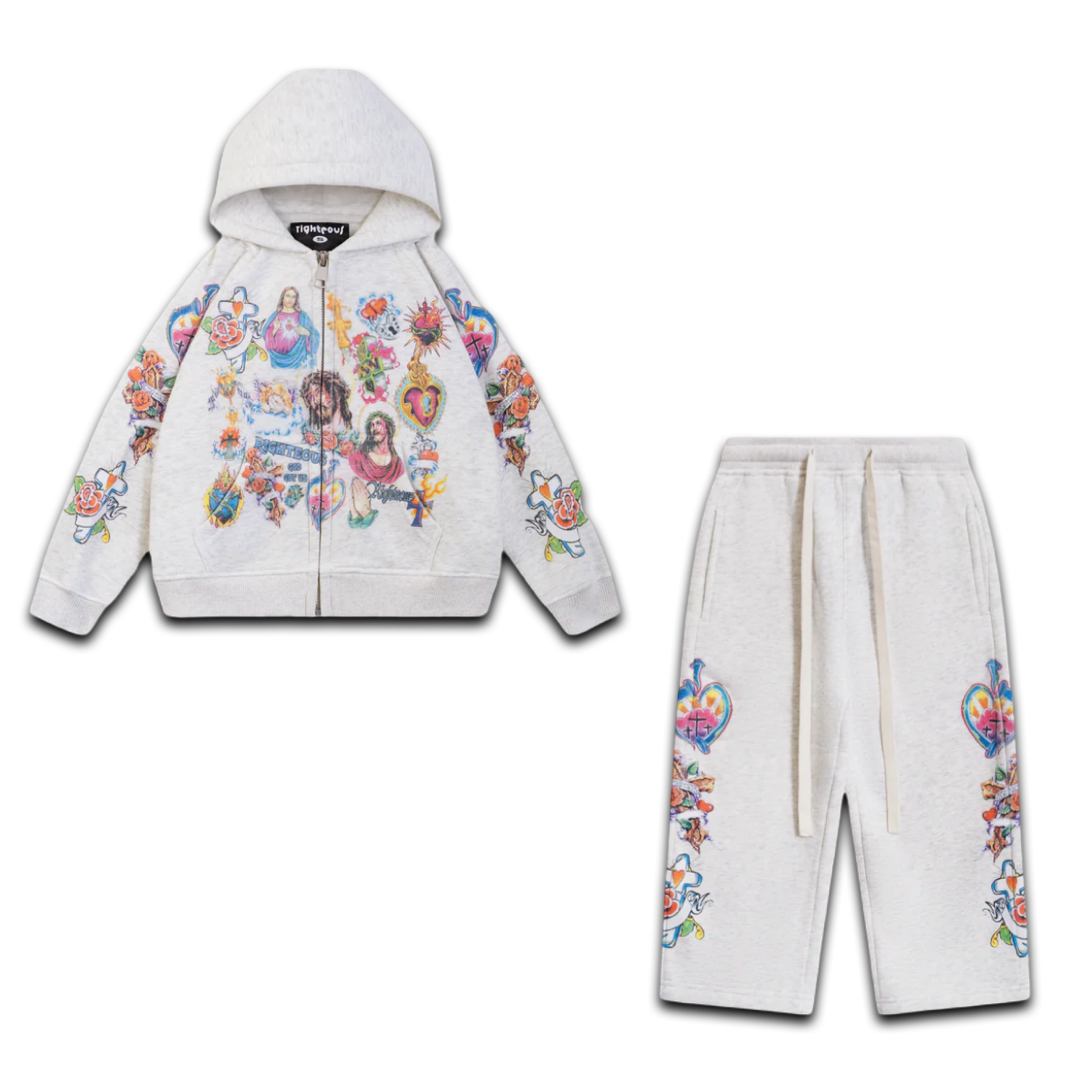
A hoodie colorway choice seems trivial at first, until it’s hanging in your closet, either in regular rotation or ignored. We Are Righteous built its hoodie collection around this very challenge, offering a spread of tones that cover everyday neutrals, richer statement shades, and a few transitional shades that work across seasons. This breakdown unpacks how to think about picking a color, what each tonal category conveys, and how the decision influences how it’s styled, cared for, and worn over time. Whether you’re new to the righteous clothing brand or already own a piece and are deciding what to add next, the goal here is to make the decision quicker and more certain.
Choosing a shade in streetwear and everyday apparel isn’t just aesthetic noise. It shapes how often a garment actually leaves the closet, how it looks in photos, how it works alongside the other pieces someone owns, and how forgiving it is with wear and washing over time. The wrong-shade hoodie ends up worn once a month; the right-shade one earns weekly wear. That distinction matters more than most shoppers expect when they’re browsing listings and choosing from just one image.
Why Colorway Choice Matters More Than People Think
Most shoppers default to black or grey because they assume neutrals are the safe choice, and often they’re right. But low-risk doesn’t always mean we are righteous best-suited to an individual’s existing wardrobe or skin tone. A cooler-toned grey reads differently under fluorescent office lighting than it does in daylight, and a warm-leaning neutral can fight against certain jean shades or outerwear tones already in rotation. Righteous apparel design accounts for this by keeping dye batches consistent, which matters because dye-lot variation is among the top gripes with budget streetwear — shades vary order to order and customers wind up with two “black” hoodies that don’t actually match.
Add to that a practical laundering angle. Darker colorways conceal small stains and pilling for longer, which lengthens the visual lifespan of a garment from wash to wash. Lighter and pastel-adjacent shades show wear faster but photograph better for frequent posters who post outfits regularly. Anyone reading a righteous review before buying will typically see this balance mentioned — buyers care about how a hoodie looks six months in, not just on day one. Fabric weight also interacts with color: thicker cotton blends tend to hold saturated colors better over repeated washes than thinner fabrics, which fade faster regardless of the dye quality.
Understanding the Righteous Hoodie Color Categories
The full righteous hoodie range generally splits into three usable categories for those trying to build a well-matched wardrobe: foundational neutrals, richer statement colors, and crossover colorways. Core neutrals cover black, charcoal, and off-white — these are the colorways that integrate into nearly any closet already in place without needing a rethink of the rest of the outfit. Bold statement shades feature choices such as deep burgundy, forest, or navy, which carry more personality without straying into anything that limits mix-and-match potential. In-between tones fall between the two, typically muted or dusty variations that work across three seasons but appear subtly different according to lighting conditions and their styling companions.
Recognizing which category a tone is part of helps shoppers steer clear of overbuying in one narrow category. A frequent pitfall is buying three hoodies that are all technically different colors but indistinguishable in practice in how they style — three dark neutrals, for example, whereas one dark neutral and two more distinct tones would produce a wider range of looks. This is a nuance that isn’t visible in a lone product shot but reveals itself once someone owns multiple pieces from the same collection.
Aligning Hoodie Colorways with Skin Tone and Wardrobe
One’s undertone influences how a color comes across to a greater degree than most people factor in. Warm-leaning complexions usually complement olive, rust, and warm-toned neutrals, while cooler undertones generally lean toward true black, navy, and icy greys. This isn’t a hard rule, but it explains why an identical hoodie can look flattering on one person and a touch faded on another despite identical fit and fabric. Someone who isn’t sure of their undertone can try an easy trick: gold jewelry that shows up nicer than silver against the skin typically indicates warm undertones, and the reverse usually signals cool undertones.
What’s already in the closet matters equally. Someone whose closet leans toward warm earth tones — olive jackets, brown boots, tan pants — will get more mileage from a righteous hoodie in a matching shade than from an unrelentingly black option that requires building a whole new outfit around it. The most effective strategy is to choose a shade that connects at least two existing outfit categories rather than one that only works with just one pair of pants already in the closet.
Comparing the Main Righteous Hoodie Colorways
The chart that follows breaks down the core colorway options based on flexibility, seasonal wear, and maintenance — three considerations that carry more weight day to day than first-glance looks.
| Hue Variant | Most Suited To | When to Wear It | Care Demands |
|---|---|---|---|
| Black | Everyday wear, stacking under other pieces, fuss-free wearing | Any time of year | Light — hides fabric pilling and light stains well |
| Grey Charcoal | Work-appropriate outfits, neutral wardrobe bases, and cool undertones | From fall to spring | Fair — shows fuzz to a greater degree than black |
| Off-White | Influencers, summer-ready looks, standout outfits | Spring and summer | Significant — requires additional laundering |
| Deep, Burgundy Hue | Warm complexions, fall wardrobes, and standout garments | From fall to winter | Fair — dark tone masks most wear |
| Green, Forest Tone | Earth-tone closets and outdoor-inspired looks | From fall to early spring | Fair — color fade noticeable after several washes |
Instead of judging colorways as superior or inferior, this breakdown focuses on — the goal is aligning maintenance tolerance and time-of-year preferences to the best-suited choice. A buyer who wears hoodies daily and washes infrequently should lean toward black or burgundy. Off-white earns its keep for those building a summer capsule wardrobe, even though it needs more upkeep.
Why Colorway Matters for Longevity and Value Per Wear
Because mid-layers and mid-layers get worn far more frequently than the rest of a wardrobe, the cost-per-wear metric is a useful lens to apply to buying a hoodie. A hoodie reaching for twice weekly over a year exceeds 100 wears, while one worn twice monthly nets around 24. A major driver of that frequency gap is the color chosen, since a hue that doesn’t match half a wardrobe just won’t be chosen as often, no matter how good the fabric or fit is.
Because they resist visible wear longer and pair with a broader wardrobe, darker colorways in the We Are Righteous lineup tend to achieve better cost-per-wear figures. This isn’t meant as criticism of lighter tones; it’s just a consideration worth factoring into the decision — particularly for first-time buyers trying to decide where to start. For maximum use, first-time buyers should generally start with a neutral shade before expanding into statement tones, once the neutral proves itself in rotation.
Reviewer Insights on Colorway Durability Over Time
Across colorways, buyer feedback repeatedly circles back to a few recurring themes. In a we are righteous review, color retention post-wash is the most frequently cited factor; deeper shades tend to be rated higher for holding richness of color through 15-20 washes, while lighter shades show more visible fading over the same span. Reviewers also note is consistency in fit no matter the shade — sizing feels consistent regardless of shade, suggesting the dyeing method don’t noticeably impact stretch or shrinkage in the fabric.
Long after the sale itself, the shade picked influences outfit flexibility, according to several buyers. A muted-colorway piece, it’s often said, settled in as a regular pick, whereas louder colorway purchases were worn only for specific looks. Echoing the cost-per-wear logic above, this confirms that such decisions deserve longer-term wearability as the guiding thought, not just checkout-photo appeal.
Final Thoughts on Choosing Your Colorway
No single colorway is right for everyone, there’s only the one that fits a person’s tone, current wardrobe mix, weather, and wash habits. Anyone assembling an initial capsule from We Are Righteous should lead with a core neutral before exploring deeper or more seasonal tones, simply because neutrals integrate faster and confirm sizing and material quality before a bigger investment. Buyers with an already-established warm-toned wardrobe should go directly for burgundy or forest green rather than falling back on black just because it’s the obvious choice.
The broader takeaway is that colorway isn’t a cosmetic afterthought in the righteous apparel lineup — it’s a practical choice with genuine impact on how often a piece gets worn and how long it looks good doing it. Pairing color with lifestyle rather than one outfit snapshot, is what separates a hoodie that turns into an everyday favorite from one that ends up folded and forgotten on a shelf.
Leave a Reply